
Discover the main goal of the 1998 Digital Millennium Copyright Act (DMCA). Next, explore how the era of creating AI might shift the DMCA’s direction.
Heads up, everyone! This piece is just for learning and sharing ideas. It’s not for legal advice, alright? If you’re dealing with copyright stuff, better talk to a lawyer.
Alright, so back in the ’90s, when the internet started changing how we share ideas and stuff, the US realized it had to update its copyright rules for the online world. That’s when the Digital Millennium Copyright Act (DMCA) of 1998 came into play.
This law is here to protect people who create content like writings, music, pictures, and videos from others taking their work without permission online.
It’s got some tough rules to stop people from breaking them. But, not everyone thinks it’s perfect. There have been folks wanting to change copyright laws for a while, especially now with all this new AI technology popping up. They wonder if the DMCA is keeping up with the times.
So, let’s dive into what the DMCA does and think about if it’s still up to snuff in today’s tech-savvy age.
Main Points (Quick Summary)
- The DMCA helps people who create stuff by not letting others share, sell, or get around the tech that keeps their work safe.
- Sometimes, online services can avoid getting in trouble for what their users do wrong with copyrights, if they follow all the ‘safe harbor’ rules from the DMCA.
- The DMCA makes it illegal to change the copyright info of an original piece.
- AI creates problems for copyright rules like the DMCA.
Why Do We Have the DMCA?
The DMCA is here to protect creative work. It has three big reasons:
- Giving people who create things copyright so they can safely share their work online.
- Helping websites stay safe when users share things they shouldn’t have (I’ll explain more about this soon).
- Making changing, deleting, or lying about copyright info illegal in some cases.
Let’s look closely at these below.
1. Protecting digital work for those who own it.
Copyright law keeps people from copying, sharing, or making money off an author’s original work.
With computers and the internet, more problems have come up. A rule in the DMCA says it’s not allowed to get past the special security that authors put on their work (like cracking codes or fixing mixed-up content).
If someone makes and shares a tool that skips this security, the DMCA says that’s against the law too. For instance, people who made programs for sharing files, like BitTorrent, have been in trouble because of this rule.
2. Keeps websites safe from being blamed
If people use stuff they don’t own without permission.
The DMCA made a rule called Section 512 that helps internet companies not get in trouble if someone uses their service to share stuff they shouldn’t. It’s like saying if you run a store and someone else does something wrong there, it’s not your fault.
To be safe, these companies need to follow certain steps. For instance, if they don’t know someone is sharing things they shouldn’t, they can’t be blamed. This is also when they might get a note saying they need to take down the stuff that’s not supposed to be shared.
If someone tells the internet company that someone is sharing things they shouldn’t, the company has to quickly take that stuff down.
But if you put something online and it gets taken down by accident, thinking you did something wrong, you can say it was a mistake and try to get your stuff put back up.
3. Make it against the law to change, delete, or fake copyright details.
Copyright information tells us where copyrighted stuff comes from. It’s like how a car has a serial number to show it’s different from other cars.
Copyright information has these parts:
- Title
- The person who wrote this or owns the rights to it.
- Rules for using the stuff
Under the DMCA law, you also can’t use symbols or numbers instead of words for these facts. This rule stops people from changing this information before they share copyrighted work with others.
Is the DMCA Still Useful in the AI Era?
At Frost Brown Todd, the lawyers say the internet from the ’90s is very different from the AI era we’re in now.
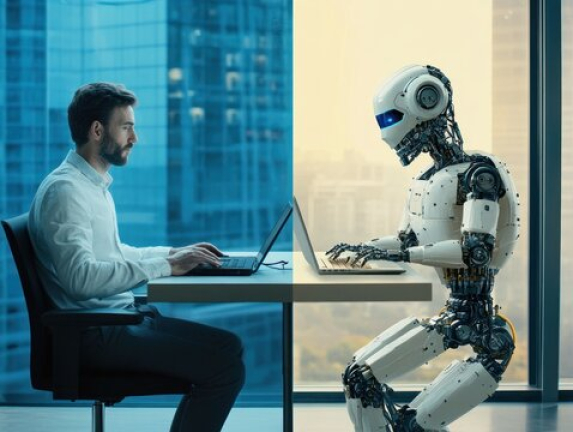
Because of AI, following the DMCA’s original rules is tough. Back before AI became a big deal, the internet let people who made stuff save all of it online. If someone used their work without permission, it was easy to take it down.
But now, with AI like ChatGPT, it learns by looking at lots of different things people have made. Then, it creates new stuff. This makes it hard to tell apart what’s okay to use from what’s not.
If AI tech uses stuff it shouldn’t, it’s not easy to just take it out. People would have to teach the AI all over again without using the stuff that’s not theirs, which is a huge task.
This might make it tricky to follow the rules for getting rid of content that breaks copyright laws, especially if lots of people are asking for their stuff to be taken down at the same time.
AI companies might say it’s okay to use this stuff for training their AI because of fair use, but the courts haven’t decided on that yet. Right now, there are lawsuits against big AI companies, and we don’t know how these will change the rules about copyrights in the future.
The Most Important Thing: Keep Up with DMCA News
The Digital Millennium Copyright Act, or DMCA for short, has been looking out for the rights of people who create things on the internet since the ’90s. But, now that we have AI, it might be time to give it a little makeover.
While we’re figuring it all out, we should be careful to not break any DMCA rules because of AI. A simple way to avoid trouble is to check if your work, like blogs or contracts, has any AI-made content. If it does, just change the words a bit so you’re not stepping on any toes when it comes to copyright rules.
Also, don’t forget to watch what the US Copyright Office says about AI and copyright. This way, you’ll know if there are any new changes to the DMCA you need to know about.