
If we see education as a remedy for today’s societal issues, we need top-notch educators. It’s crucial to tackle the root causes of concerns and bad behavior, similar to how skilled doctors focus on the underlying issues of a patient’s illness rather than just the symptoms.
So, when a tool like Chat GPT’s plagiarism checker flags a student for cheating, instead of just punishing, we should explore the larger question: “Why do people turn to plagiarism?”
Why people plagiarize & how to prevent plagiarism
When someone plagiarizes on purpose, knowing it’s wrong, they’re breaking big rules on purpose. These situations do occur, but many times, writers copy because they don’t know better, feel unsure, or lack skills.
Lack of awareness
Students might cheat because they don’t see it as a problem or they don’t really know what plagiarism means. They might think, “I’m not copying everything, just taking bits here and there,” or they mention a small part without knowing it needs proper citation.
One fix: Some schools offer Writing Ethics classes. This idea could boost students’ understanding of honesty in academics and teach them the ethical rules they’ll need later.
Even without a full course, teachers can spend some time explaining what plagiarism is and its types, how to cite sources, why originality matters, and give tips on writing a genuine paper.
Lack of confidence
Sometimes, people hold back from expressing their true thoughts, choosing instead to stick to content that’s safe and approved by editors.
Solution: A teacher might not be a therapist equipped to handle issues of self-expression, but there are ways to foster independent thought and creativity. It’s important for students to feel that their views are valued and respected. Clear instructions should guide them to explore issues, conduct original research, or share their unique perspectives, rather than just repeating existing material.
Lack of time
When deadlines loom, students might think copying someone else’s work or piecing together content from other sources is the only way to finish. This isn’t a good excuse for cheating, though. It might show a need to clarify the task, help break it into steps with mini-deadlines, and discuss managing time well.
To fix this, make sure there’s enough time for assignments needing research and thought. Students should also figure out how much time the task will take, focusing on getting ready instead of waiting until the night before it’s due. Suggest making a plan that breaks the project into parts, each with its own deadline.
Lack of skills
Some students and writers understand the serious effects of plagiarism but struggle to avoid it, especially with tasks that rely on sources and evidence.
Solution: Teaching students how to handle sources and paraphrase effectively, along with ample practice, can help them develop their writing skills and discover their unique voice. Tools like Citation Generator and Grammar Checker can provide valuable support, enabling students to improve and learn as they write.
Lack of experience with AI
Since AI tools are still quite new, even teachers are learning how to work with Chat GPT and similar bots. It’s not surprising that students might misuse this tech. AI-generated assignments aren’t always honest or original; they can often be plagiarized. AI doesn’t produce unique content, leading to many matches with online sources, which might mean the student didn’t write it.
To address this, having clear rules about using AI in class is important. Completely banning AI tools isn’t practical because students need to learn how to use them ethically. Instead, offering guidance on how AI can improve learning and writing while maintaining academic integrity would be very beneficial.
Lack of tools
Students often struggle with plagiarism issues, even when they know about them. Writing a new paper isn’t always easy. They might accidentally plagiarize or miss the mark, leading to lower grades, even if they aren’t trying to cheat. To tackle these problems, students need reliable tools to review their work before handing it in.
Using plagiarism and AI checkers benefits teachers by saving time and effort, but it also boosts students’ confidence. By reviewing their work before submission, students can spot errors, make edits, and improve their skills before receiving feedback from their instructors.
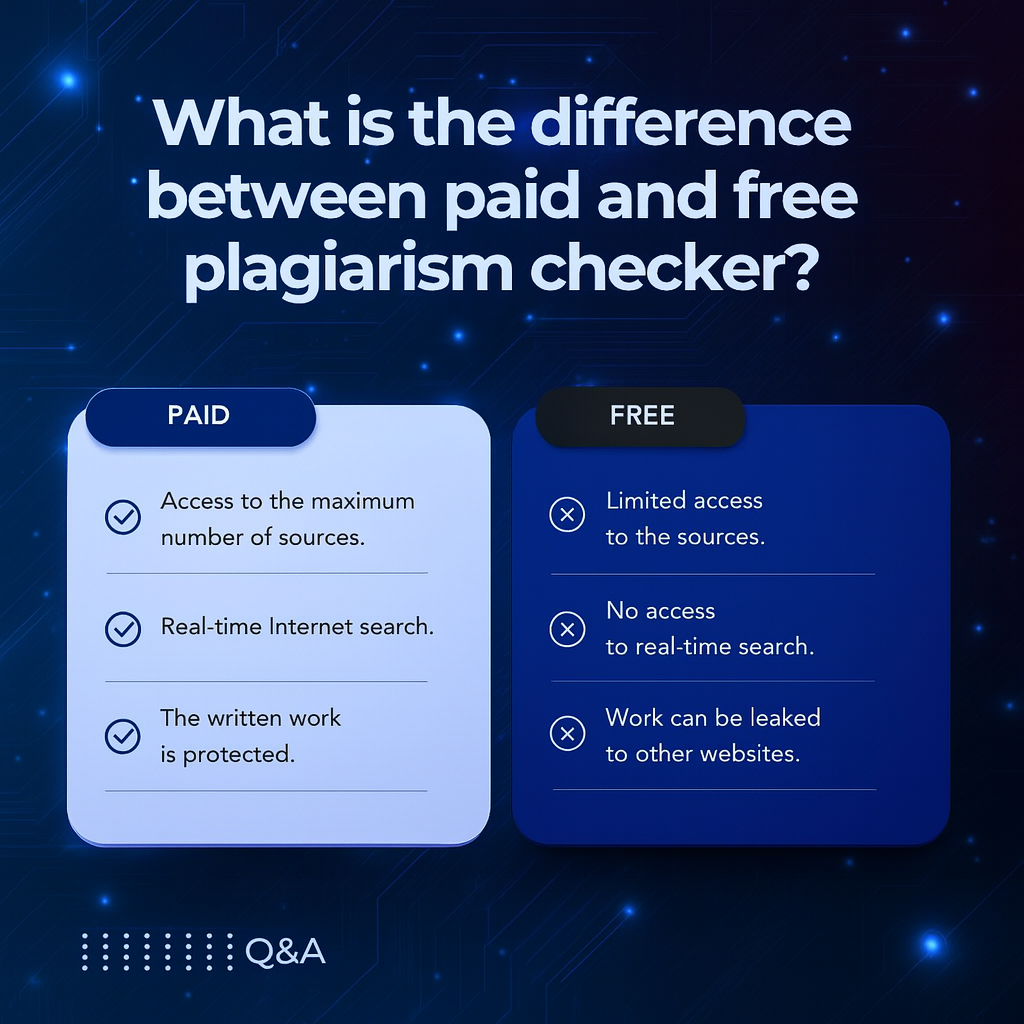
PlagiarismCheck.org supports open dialogue between instructors and students. Our tools help teachers spot plagiarism and AI-generated writing, encouraging students to think creatively. Students also refine their skills and enhance their writing with each task. Sign up for free today!