
Snapchat uses AI to improve how you use it. AI helps with recognizing images, detecting faces, and personalizing content. As AI content gets smarter, we wonder: Can we spot Snapchat’s AI-made content for plagiarism and authenticity?
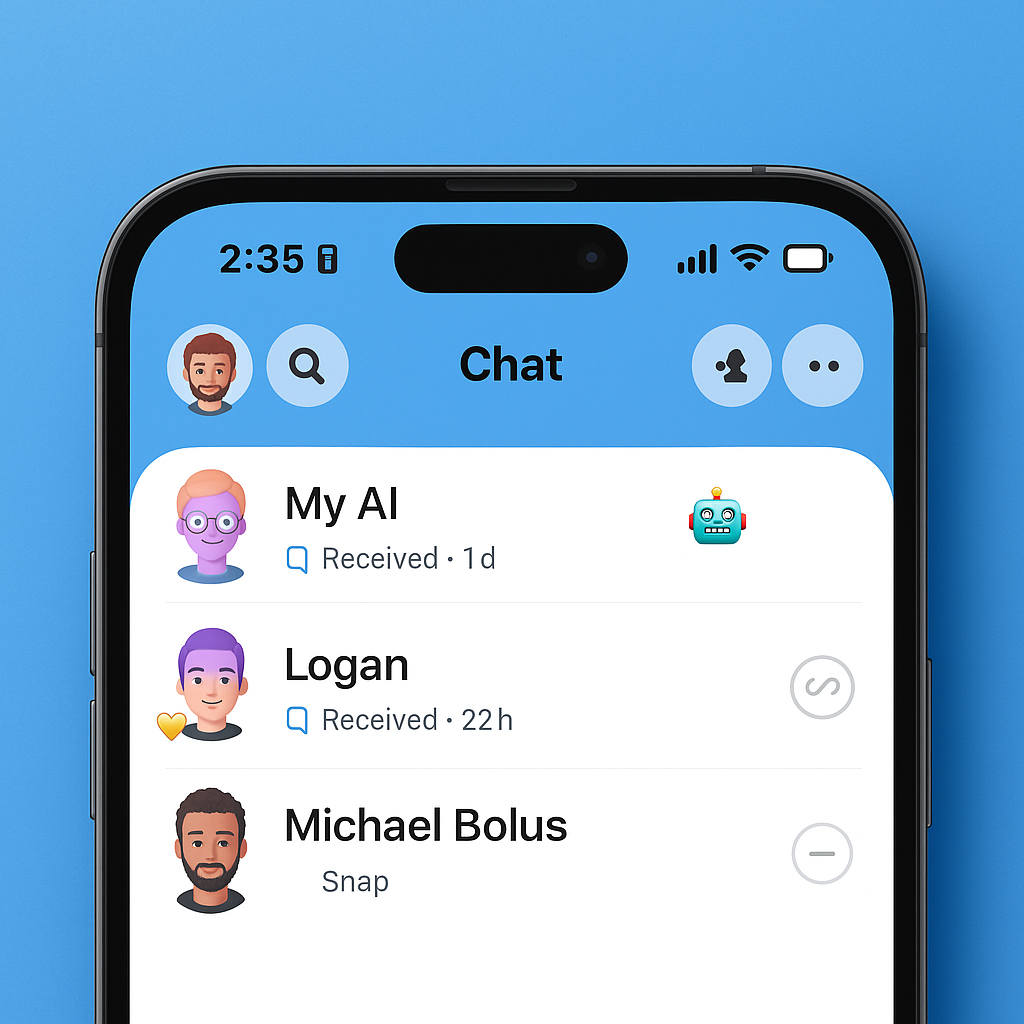
Let’s Learn About Snapchat’s AI Features
Snapchat uses AI a lot. Here’s how:
- Picture and Face Magic: AI sorts photos and finds faces. It adds fun filters and makes photos look like a game world.
- What You Like: AI sees what we like. It watches our clicks. Then, it shows us stories and ads we might enjoy.
- Helpful Bots: AI chatbots act like helpful messengers. They answer questions and suggest things you might like.
Detecting AI-Generated Content on Snapchat
Detecting AI-written work, especially for plagiarism, uses different ways:
- Style Checking: This way checks writing style. It looks at word choice, sentence structure, and vocabulary. It aims to spot anything unoriginal.
- Smart Machine Models: Systems learn to spot AI text patterns. This helps find out if a human wrote it.
- Content Checking Tools: Tools like Turnitin check if your text matches anything already written. But they can’t always spot AI-made content. For example, Turnitin might miss stuff created by Snapchat’s AI.
Challenges in Detection
Detecting AI content is tricky due to several challenges.
- AI gets smarter: It’s getting harder to tell if words are by a person or AI.
- Not playing fair: AI writings can seem human-made. This can fool detection tools.
- Falling behind: AI detection tools often miss the latest AI content because they lack recent examples to learn from, making it tough to spot new AI work.
Is Snapchat AI Detectable?
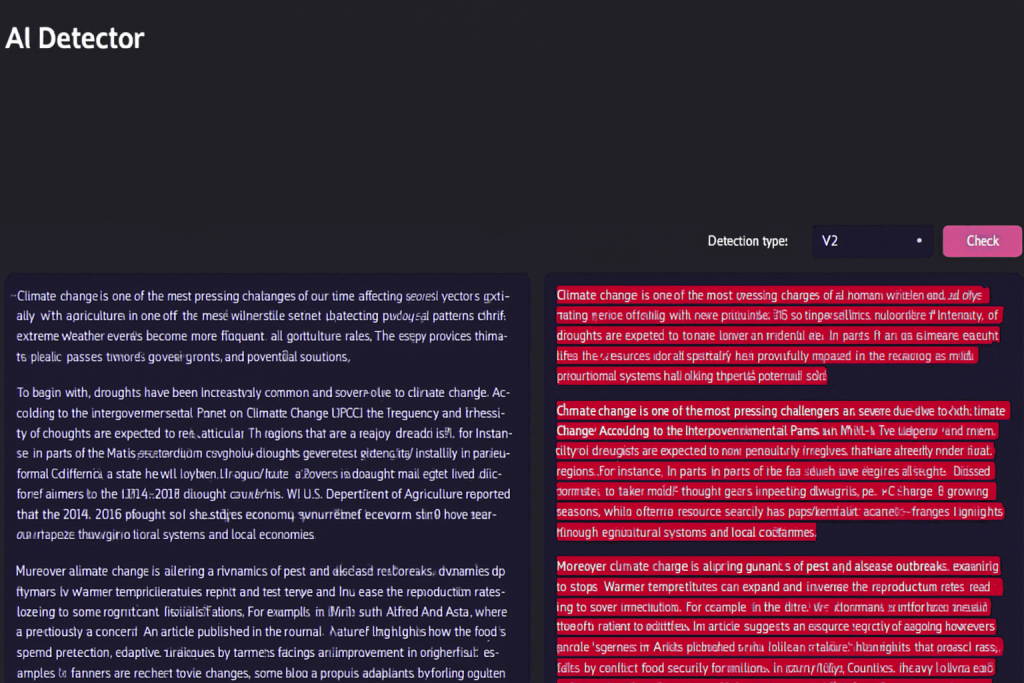
AI detectors can tell if a Snapchat chatbot’s answer is real or fake. To check this, we used text from a Snapchat AI chatbot and put it into a Bypassengine AI detector.
How AI Detectors Work
AI detectors look at words. Like detectives, they search for clues. Clues can be strange words or perfect sentences. They act like word detectives, hunting for text that a computer might write, not a human.
Tools like OpenAI’s AI Text Classifier, Bypassengine, or GPTZero do this by looking at how sentences are made, the words used, and the overall theme. They try to guess if the text is by a person or a computer. Neat sentences or specific words can reveal a computer writer. It’s like a hide-and-seek game with words.
The prompt we used:
Write about how climate change affects global farming. Use a natural tone with both formal and chatty language. Add examples, data, and personal views. Structure it with an intro, body paragraphs on different topics (like droughts, pests, changing seasons), and a conclusion with solutions or hope. Aim for around 750 words.
The Result
Our tests with a Snapchat chatbot showed something interesting. Short replies often went unnoticed, but long, complex ones sometimes raised flags. This suggests that a chatbot’s responses might be detected differently based on their length and complexity.
Main Takeaways from the Experiment
Testing Revealed Long Replies Get Spotted Easier: AI-written content often gets detected when responses are long. Long AI texts show patterns, structures, and repeated phrases, making them easier to spot.
Short Replies Are Trickier to Spot: Short chatbot replies often seemed human. They fit well in chats, so the tool didn’t notice them as AI-written.
How Long The Text Is Matters: The test showed that detectors do better with long texts because AI traces are clearer in longer sections.
Implications of Detectability
These findings matter a lot. Short answers made by AI might look like human ones in chats or on social media. But, longer formal texts from AI are more likely to get noticed, especially where it’s important to be real, like in school work or business talks.
Conclusion
Our experiment showed that Snapchat chatbot content is detectable. But, it depends on text length. Short responses are less flagged, so they seem human-like. Longer texts often trigger AI tools. As AI grows, detection must evolve to match smart chatbot outputs.
The Role of Context in AI Detection
AI-made things can be tricky to find, depending on where they are. On Snapchat, people talk casually. They use short, easy replies, making it hard for AI detectors to notice anything strange. These quick chats mix well with human talk, so there aren’t many warnings. But at school or work, where talk is longer and more structured, AI chat stands out more. You might see repeated patterns, strange phrases, or too-perfect sentences that AI spotters can catch. Knowing where the chat happens helps tools find AI talk better, making it easier to notice in various places.
Ethical Concerns Around AI-Generated Content
AI content is everywhere now. This makes us question right from wrong. It’s tough to know if a person or AI replies, causing trust issues. This matters for news since AI might spread fake or biased stories. Plus, AI can make untraceable text, leading to cheating and plagiarism. Apps like Snapchat should be clear when users talk to AI. To prevent misuse and build trust, we need a balance between innovation and ethics.
Future-Proofing AI Detection Tools
AI technology is advancing, and detection tools must keep up. Right now, these tools check sentence patterns and word choices to find AI. But they’re getting outdated. To detect AI in the future, we need machine learning models that evolve with AI tech. For apps like Snapchat, we could develop tools to spot AI instantly without ruining the user experience. Collaboration between AI developers and detection tool makers is crucial to identify even the most advanced AI.
The Human Factor: Can Users Spot AI?
AI detection tools use complex math to find AI-made content. But people can do this too! Sometimes, they know if a bot is acting like a human just by its talking style. For instance, it might use formal words during a casual chat, or sound fake when it tries to show emotions. On Snapchat, where chats are short and friendly, spotting these hints can be tough. But if you watch closely, you might notice weird tones or styles over time. Learning about these signs can help people figure out if they’re talking with a real person or an AI. Yet, as AIs improve, it might get harder for even the keenest people to tell the difference.
AI’s Impact on User Trust
AI plays a big role in apps like Snapchat. It affects how much users trust the app. Features like content suggestions or chats with bots can make the app more fun. But, if AI makes things that seem human-made, users might start to doubt. They could feel tricked if AI acts like a human in chats. This can lower trust in the app. It’s crucial to be clear when AI is used to keep the app’s reputation strong. Snapchat should be honest to maintain trust. This way, they can use AI to make the app more engaging without harming the trust their community relies on.
FAQ: Is Snapchat AI Detectable
How does Snapchat use AI in its features?
Snapchat employs AI in several ways to enhance user experience:
- Image Recognition and Filters: AI sees faces, objects. This lets apps use fun filters and cool AR effects.
- Content Personalization: AI learns likes. It suggests stories. It suggests ads. It tailors content. It fits interests.
- AI Chatbots: Bots help with questions, recommend stuff, or chat casually, making life easier.
Can Snapchat’s AI-generated content be detected by tools?
Snapchat’s AI content can be found, but it depends on some things:
- Length of Text: AI’s long replies can show repeated patterns. These can get flagged by detection tools.
- Shorter Replies: Short replies seem more human-like and less like they come from AI.
- Detection Tools: Tools like Bypassengine and GPTZero check how sentences are built and words are used to see if AI made the content. But, they have a hard time with short, casual texts like those on Snapchat.
What challenges exist in detecting AI-generated content?
Detecting AI content faces several hurdles:
- Advancing AI Technology: AI systems grow smarter. They now write like humans. It’s tough to tell them apart.
- Tool Limitations: Detection tools often miss new AI outputs due to outdated updates.
- Human-Like Responses: AI writing now looks like human writing, especially in casual settings. This makes it harder to spot.