
Paraphrasing means using your own words to explain something. It’s important in both school and work writing. It helps you use other people’s ideas but still show you understand them. But it can be tricky to know when paraphrasing crosses into copying, which is wrong. If you don’t change enough words or forget to say where you got the info, it’s like stealing ideas. This can cause big problems. This article talks about when paraphrasing is okay, when it might be copying, and how tools like Bypassengine help you stay original and respect others’ work.
Paraphrasing vs. Plagiarism: When Does Paraphrasing Cross the Line?
Plagiarism means using someone else’s work, like ideas or words, without giving credit, and acting like it’s your own. Paraphrasing is when you rewrite someone else’s ideas in new words to make them clearer or fit your context. To keep it ethical and not plagiarize, you need to change the content enough and credit the original source.
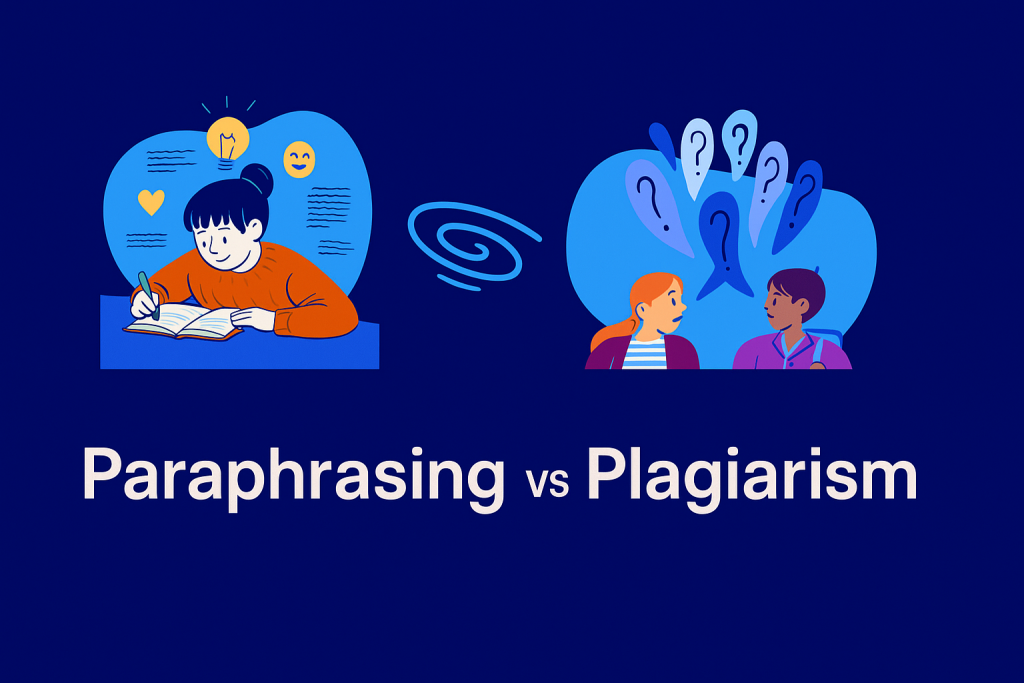
Where Does Paraphrasing Cross into Plagiarism
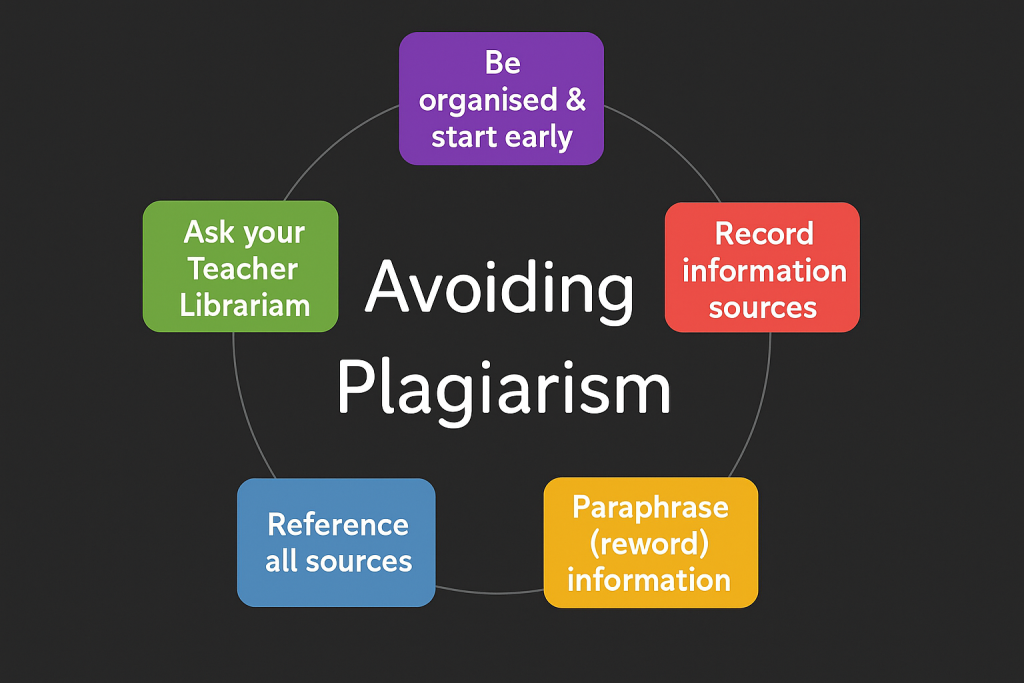
- Insufficient Transformation: Turning words around or using synonyms isn’t enough to truly paraphrase. Real paraphrasing means you grasp the main idea and express it freshly. Just changing words or sentence order might still get you in trouble for copying.
- Lack of Citation: Not giving credit to the original source is plagiarism, even if rewritten well. Citations show respect for the original author’s ideas and keep things clear in work. Using proper citations, like in-text or footnotes, is key to meeting academic rules and staying honest.
- Intentions Behind Paraphrasing: Paraphrasing is okay if it helps explain or expand on ideas. But, if you do it to hide someone else’s work as your own, it’s not right. Being honest about why you paraphrase makes sure it helps with understanding, not just as an easy way out.
Paraphrasing, Rephrasing, and Rewording: How Are They Different?
The words paraphrasing, rephrasing, and rewording seem the same, but each means something different. This can change how people see your work in school or at work.
- Paraphrasing: Paraphrasing means rewriting an idea in new words and sentences while keeping the main point. It shows understanding by changing the text but keeping the original meaning.
- Rephrasing: Changing how a sentence is written means you rewrite it in a new way. This can mean using different words or changing how the ideas are put together. You might need to think of new ways to say things, especially for longer texts.
- Rewording: This is the most basic form, where words are swapped with similar ones without big changes to how the sentence is built or arranged. Rewording can make things clearer, but it doesn’t offer the same creativity as paraphrasing.
Knowing the difference is key. Good paraphrasing shows new ideas. It makes writing clearer and more special.
Paraphrasing Tools: Are They A Good Shortcut?
AI writing tools are on the rise. Tools like Bypassengine help writers make new content. Bypassengine is one such tool. It lets writers pick a tone, like formal or creative. It also works with many languages. These tools solve many problems, but writers must use them right. If not, they might misuse the tool and plagiarize.
How to Use Paraphrasing Tools
- Choose the Right Tool: A good paraphrasing tool lets you change tone and words but keeps the meaning. Bypassengine can handle up to 1000 words, offers many languages, and changes tones, so users can make content suit their needs.
- Review and Edit the Output: Paraphrasing tools are useful, but writers need to check and tweak the results. This personal touch makes the work unique and different from just reworded text, helping writers create something truly their own.
- Always Credit the Source: Citing is key when using others’ ideas. It credits the original author and shows honesty. In school or work, styles like APA, MLA, and Chicago help us give credit the right way.
- Aim for Real Comprehension and Not Mere Rewording: Using a paraphrasing tool as a shortcut may hinder learning and lead to shallow content. To use tools like Bypassengine wisely, first understand the material well. This ensures the final output shows true understanding.
Academic Integrity: The Importance of Real-Time Feedback
Schools value original work and honesty. Tools like Draft Coach help students see if they’re close to copying. They show where you might need to add a source or change your words more. This helps you avoid accidental copying. When you use these tools with paraphrase tools like Bypassengine, you can make your writing unique and clear.
Why Real-Time Feedback is Key
- Immediate Correction and Learning: Feedback helps students learn. They can fix errors right away. This supports good citation and paraphrasing.
- Supports Independent Writing: Feedback tools help students learn citation. This builds a habit of original writing. It also makes their research skills stronger.
- Helps Build Long-Term Skills: Tools give clear feedback. This helps students learn more than one lesson might. Over time, using paraphrasing and citation correctly feels natural.
Tools give clear feedback. This helps students learn more than one lesson might. Over time, using paraphrasing and citation correctly feels natural.
- Grasp the Original Material Fully: Understanding content comes first for real paraphrasing. Writers should read and grasp the material, then interpret it on their own, not just copy the text’s wording.
- Rewrite Using New Language and Structure: A good paraphrase uses different words and sentence forms than the first version. This involves not just swapping words but also changing how the ideas and examples are organized.
- Balance Paraphrased with Original Thoughts: Using too much paraphrased content, even when cited right, can make writing seem unoriginal. Adding your own thoughts or analysis to the paraphrased content creates a good mix and shows what you bring to the table.
Paraphrasing Examples of What to Avoid and What to Aim For
Shakespeare said, “A rose still smells sweet, even with a different name.”
- Incorrect Paraphrase: “A rose would still smell sweet even if it had a different name.” The changed sentence is too similar to the original. It keeps Shakespeare’s words and style without changing enough.
- Correct Paraphrase: “Shakespeare suggests that a change in name doesn’t alter the intrinsic qualities of an object.” This version retains the core meaning while modifying the phrasing and structure, showcasing a unique interpretation.
The Ethical and Professional Benefits of Correct Paraphrasing
Using tools wisely helps writers learn and write better. Good paraphrasing shows respect for the original author and makes the writer’s work unique and ethical. In schools, proper paraphrasing builds on others’ work to spark new ideas and critical thinking.