
Incorporating AI tools into research papers might cause various issues.
Is AI usage even allowed?
How should you reference a tool like ChatGPT?
Many universities might disapprove of research papers generated by AI tools. These tools operate on prediction-based methods, forecasting the next word. While impressive and helpful in numerous scenarios, they rarely qualify as original research (this pertains to generative AI like ChatGPT, whereas other AI types can conduct unique research).
The challenge with using ChatGPT for research is its frequent inability to accurately trace the source of its information. Additionally, it often fabricates details.
Are the Citations in ChatGPT real?
When using sources from ChatGPT, it’s wise to be careful. With ChatGPT Plus, you often get decent sources because it’s connected to the web.
Sometimes, these sources are real and useful for citations. Other times, ChatGPT might provide links that either don’t work or don’t exist.
Your ability to cite ChatGPT depends on your university or educational institution, so it’s best to check with them. It also varies based on the style guide you follow. For more on using ChatGPT with MLA and APA style guides, you can look here.
How can you get correct references in ChatGPT?
Finding accurate references is tricky, especially after getting incorrect info. Here are some tips to find the right references:
- Could you clarify the reference you’re looking for?
- Share more details with ChatGPT.
- Offer specific examples of your request.
From my perspective, it’s often tricky to stop ChatGPT from repeating wrong details and source links. I tend to switch to Google Gemini or, even better, Perplexity AI. Using different LLMs can also boost your grasp of a topic since they have varied training datasets and skills.
Is ChatGPT reliable for Research?
ChatGPT is good for basic topics and information. For deep research, it might not be the best choice.
For academic work, try Perplexity AI. It lets you filter searches to show only academic papers.
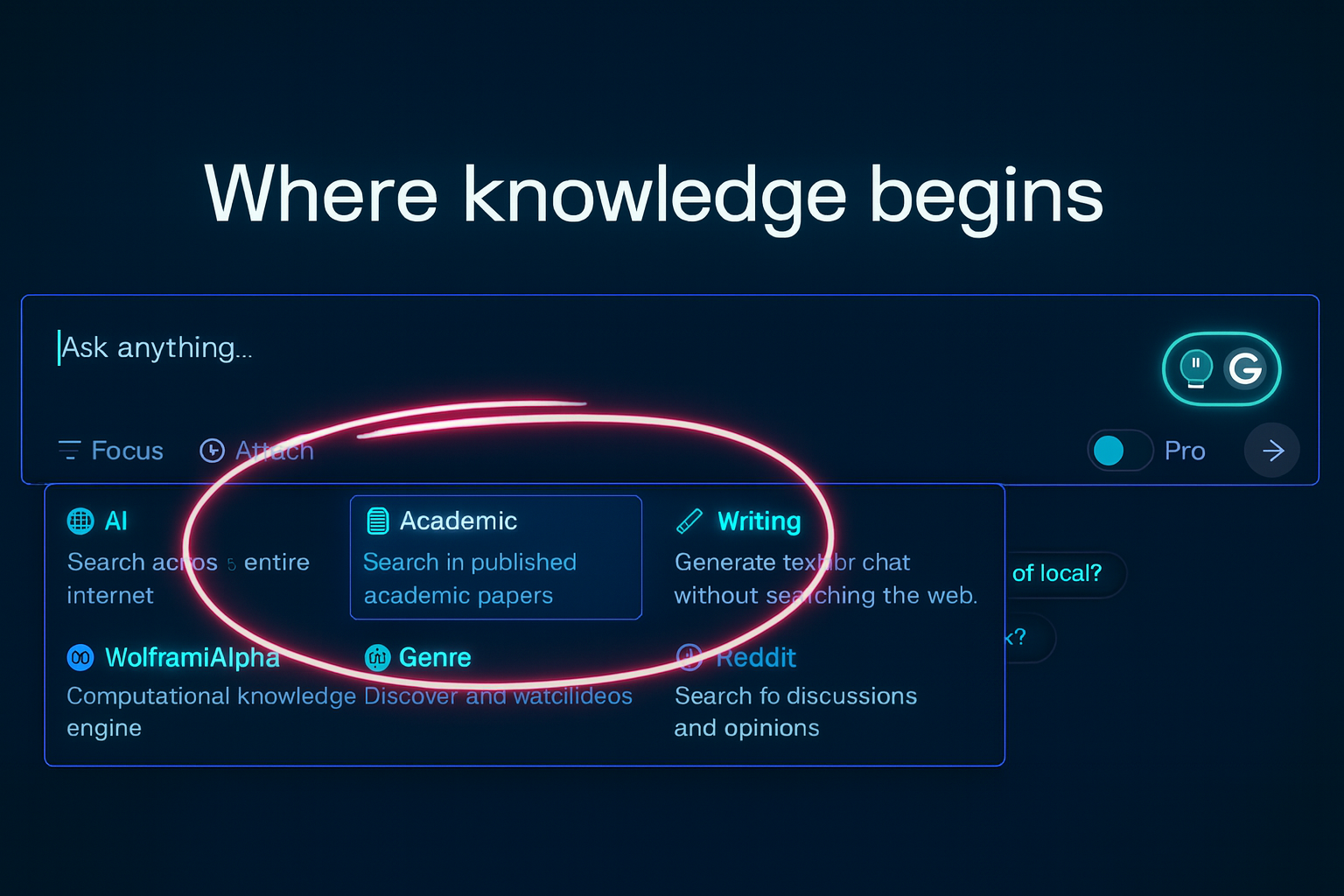
Can you use AI-generated text in your Research Papers?
It’s best to avoid letting AI like ChatGPT handle your essays. Doing so could breach academic honesty and misses the education’s true aim.
AI can help with researching, fixing spelling and grammar, translating, and tweaking awkward phrases.
If writing with AI interests you, consider learning “prompt engineering.” This skill helps you get the best output from AI. Knowing the right questions leads to better answers from the tool.
Yet, there’s one more question that we need to tackle.
Can Universities Catch You Using ChatGPT?
Universities have ways to find out if you use ChatGPT. They use tools like Winston AI to spot text made by AI.
These detectors rely on AI to identify AI-generated content. Winston AI, for instance, has a big collection of text samples, where each piece is labeled as human-written or AI-generated. It checks your text against this collection and uses language analysis to guess if AI wrote it.
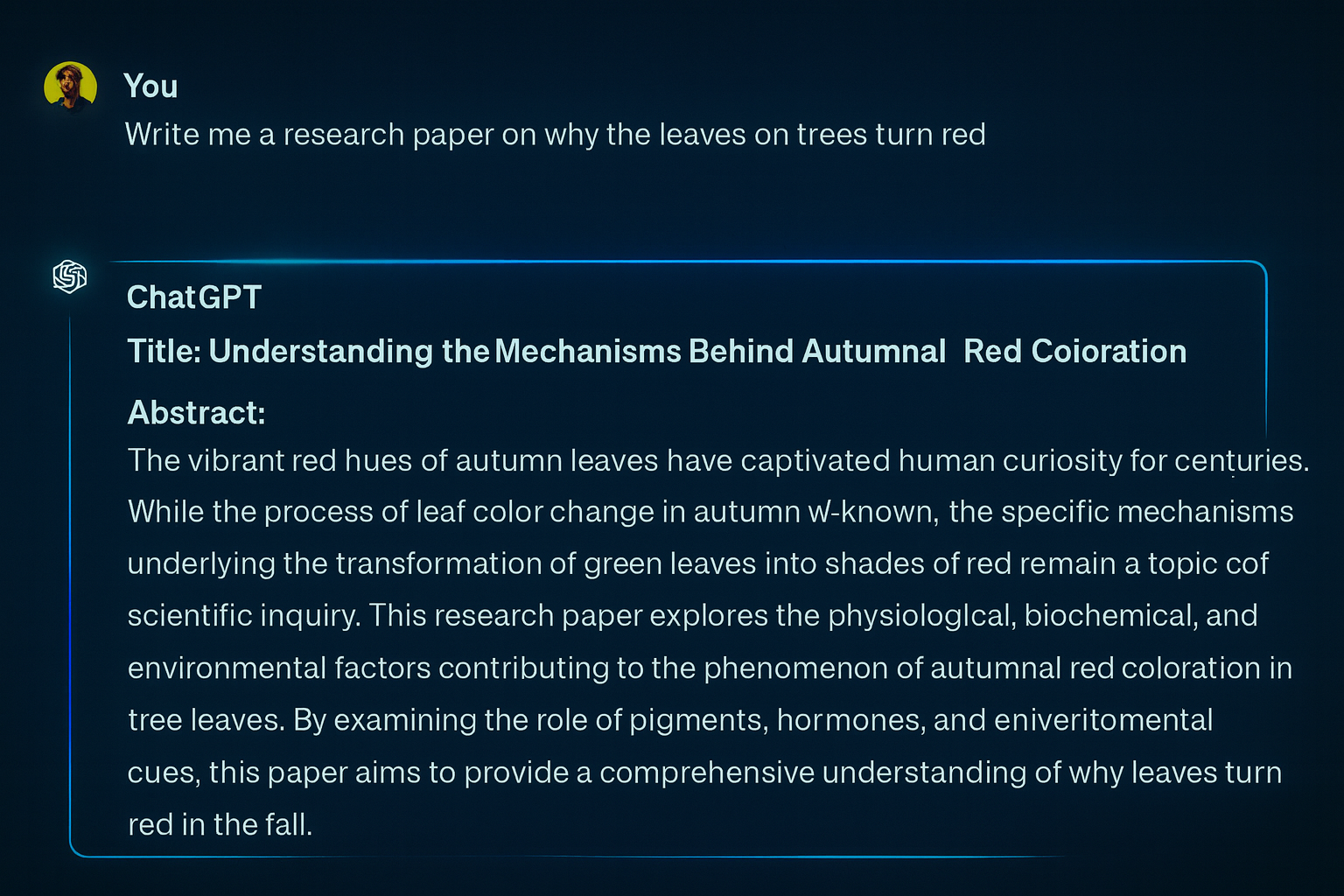
The results show that Winston AI identified the text as created by AI.
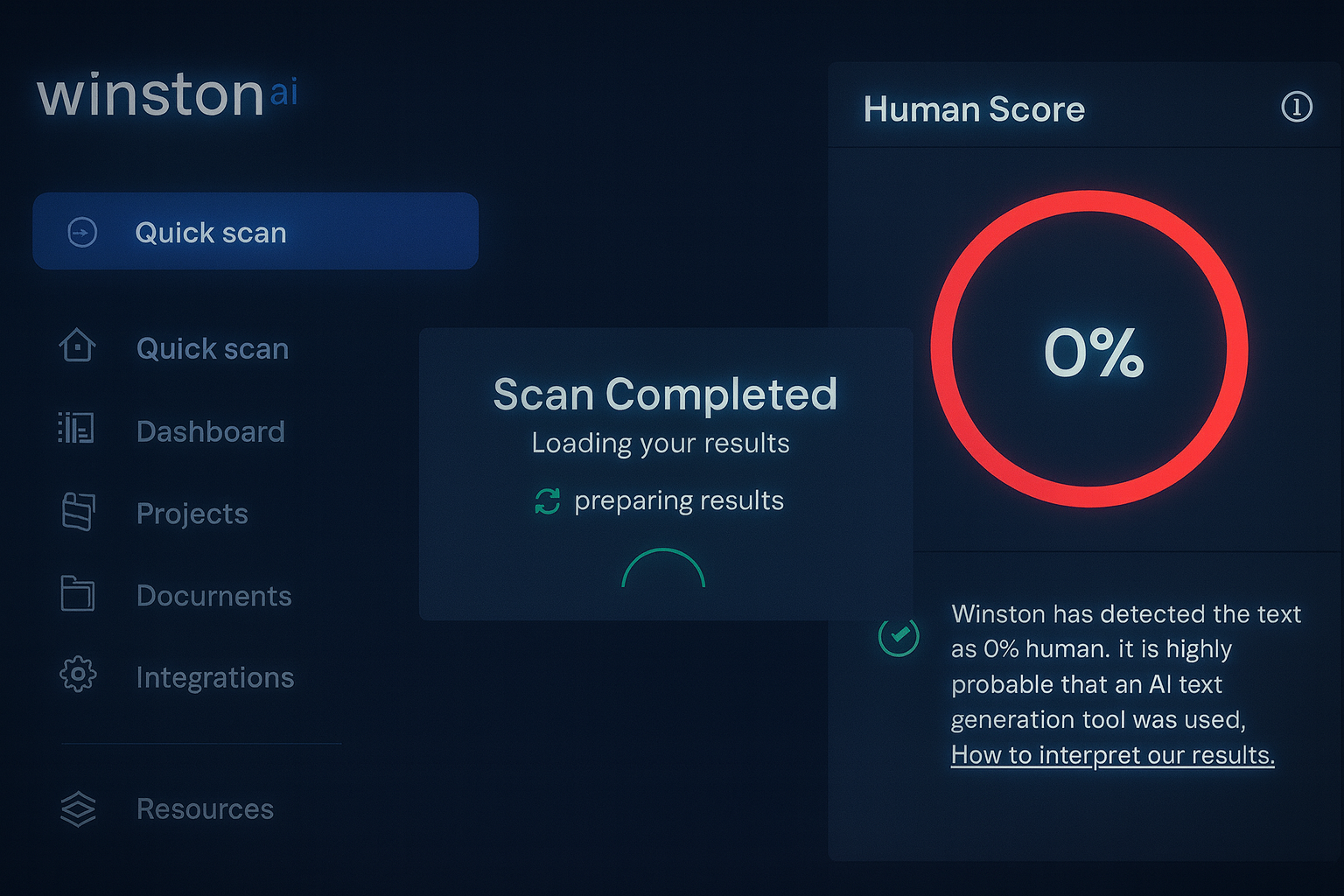
Our tool catches AI content with 99.98% precision. This accuracy makes universities prefer Winston AI for detecting AI-written material. They rely on it because it consistently performs well.
Can I legally use ChatGPT for academic research?
It’s not illegal to use AI tools like ChatGPT for academic research. However, each university has its own rules. Check your school’s policy on using AI in research.
How should I cite ChatGPT in my research paper?
If your school or company lets you cite AI content, you can mention ChatGPT like other digital resources. Note the version and when you used it. For instance: “ChatGPT, OpenAI, [version], accessed on [date].”
Are the sources ChatGPT provides always reliable?
It’s possible for ChatGPT to provide links that look trustworthy, but it might also create fake sources or mention materials that don’t exist. It’s essential to check the sources on your own to ensure they’re real before including them in your schoolwork.
What should I do if ChatGPT provides incorrect information?
Always verify AI tool information with trusted sources. If something seems wrong, try asking clearer questions or give more details to get better answers.
Is ChatGPT reliable enough for conducting in-depth academic research?
ChatGPT is helpful for basic research or learning about broad topics, but it might not be the best choice when you need deep, detailed, and original academic research.
Can using AI tools like ChatGPT lead to academic integrity issues?
Using AI for research or writing papers without giving credit can violate academic rules. It’s important to use AI tools wisely and follow your school’s guidelines.