
In 2025, AI plays a big role in college admissions. It’s key for students and colleges. Tools like ChatGPT, Claude, and GrammarlyGO help students with essays. But admissions officers worry about keeping things real and personal.
AI content makes colleges rethink how they handle applications. Checking for AI use is now a big part of fair evaluations.
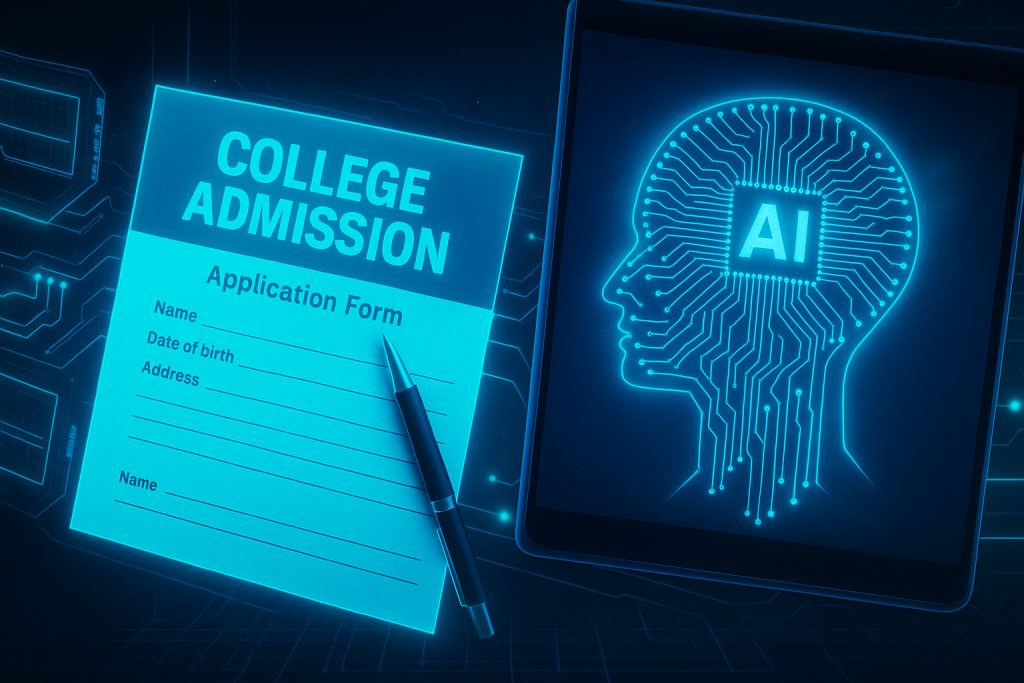
Do Colleges Check Applications for AI?
Yes, many colleges now use AI tools to check applications. They focus on essays to ensure they are real and personal.
Not all schools say they use these tools, but more big universities and top colleges confirm they do. Some schools don’t talk about it but test these tools quietly.
Tools Colleges Use to Detect AI Writing
College admissions often use these AI checks:
- Turnitin AI Detection: A famous company that checks for plagiarism now also spots AI writing. Some colleges use it for checking admissions essays.
- GPTZero: A well-known online tool checks writing for “burstiness” and “perplexity.” High schools and admissions committees often use it.
- Copyleaks and Packback Detect AI: These platforms give tools for schools. They have AI detectors and show results with dashboards and reports.
- Custom Systems: Some universities use internal models with their application systems to check things quietly.
What Are Colleges Looking For in Essays?
Colleges still care about the same things in essays, even with AI detection on the rise:
- Authentic Voice: Does the essay feel like a teen wrote it? Style, quirks, and personal touch count.
- Critical Thinking: Admissions officers seek depth. They value thought and insight.
- Narrative and Storytelling: Essays that stand out share a story. They show who the student is, not just what they’ve done.
- Personal Connection: An essay should connect to what the student has lived, what they believe in, and what they aim for.
If the writing seems robotic or lacks heart, it could cause concern, even if it’s technically “well written.”
Can AI Tools Be Used Ethically in Applications?
AI tools are used in many ways. Colleges know students might use AI for:
- Brainstorming ideas
- Generating outlines
- Improving grammar or spelling
AI can help with essays, but the student’s voice should lead. It’s not ethical if AI writes everything. Colleges check for fair use of tech, not just to punish.
What Happens If AI Is Detected?
Consequences vary widely. If AI use is strongly suspected or confirmed, colleges may:
- Flag the application for further review
- Ask for a revised or re-verified submission
- Reject the application outright in extreme cases
The detection process isn’t always clear-cut. Some places see detection results as early signs, not solid proof. Students often get a chance to explain or fix things. This happens more if the AI-generated content is low or borderline.
Still, repeated misuse or full AI authorship can break academic rules and lead to serious consequences.
Colleges That Publicly Acknowledge AI Detection
Several schools now use AI tools to help with admissions.
- Massachusetts Institute of Technology (MIT): Essays get checked for both plagiarism and AI creation.
- University of Michigan: Pilot programs announced with AI detection tools to keep admissions fair.
- Stanford University: Students should not use AI for personal stories.
Schools want to be open. They also want people to not rely too much on automation when showing who they are.
Accuracy of AI Detectors in Admissions
AI detectors are smart, but they can mess up. Sometimes, they think a human wrote something that AI did. This is a big worry. Also, when something is mixed with AI writing, it’s hard to spot.
Most AI detectors assess text based on metrics like:
- Perplexity: Predictability of word choice
- Burstiness: Variation in sentence complexity
- Probability distribution: Likelihood of word sequences matching AI training models
Admissions teams should not just trust these tools. They should see AI results as one piece of a bigger review.
How Students Can Protect Their Submissions
To prevent suspicion or potential misinterpretation, students are advised to:
- Write in Their Natural Voice: Avoid editing too much or using formal language that doesn’t match their style.
- Limit AI Involvement: Use AI to spark ideas, not write full paragraphs.
- Revise Manually: Students should finish edits, not a machine.
- Get Human Feedback: Teachers, counselors, or peers can help make essays feel real.
Following these tips helps avoid a flag during college admissions for AI use.
Ethical and Legal Considerations
AI detectors bring up ethical and legal questions like:
- Student Privacy: Schools in the U.S. need to keep applicant data safe because of FERPA. Any tool they use must follow data laws.
- Consent: Should students know their essays get checked for AI? Some colleges tell them in the application process.
- Equity and Fairness: Students from different backgrounds might not all get the same AI tools and editing help. Banning AI for everyone could be unfair to some students.
Colleges try to keep things honest while being fair and welcoming to all.
Reactions from Students and Educators
Some students feel nervous about unfair flags. Others like it for keeping things real. Teachers often support detection to keep writing standards up but say tools need careful use.
Recent surveys show:
- 63% of students say they’ve tried using AI during essay writing
- 48% are unsure where the ethical line is
- 77% of educators believe colleges should screen for AI use
- 39% worry about the accuracy of current detection tools
Schools and students now discuss tech, creativity, and ethics more due to AI in college admissions.
The Role of AI in College Admissions Beyond Essays
Colleges are using AI not only to assess applicants but also to:
- Screen Applications: Sort and rank candidates based on academic fit
- Predict Enrollment Behavior: Analyze who’s likely to accept offers
- Assess Demographic Balance: Use predictive analytics to ensure diversity and equity
Colleges check if students use AI, but they also use it. This raises questions about fairness and openness.
Conclusion and Final Takeaways
In today’s world with ChatGPT and AI creativity tools, colleges check if students use AI when applying. They aim to keep things fair and original, not to catch or punish.
Students should not be afraid of AI, but use it smartly. Think of AI like a calculator: good for help, but you must do your own thinking. Colleges want your voice, your story, and your ideas.
When used right, tech can help your college application instead of hurting it.
FAQs – College Admissions Check for AI
Do all colleges use AI detectors?
Many top and mid-sized schools use AI detection tools in reviews.
Can AI use get me disqualified?
If the school finds out the content is AI-made and breaks rules, it might get rejected or looked at again.
Is using AI to brainstorm okay?
Yes, it’s fine. You can use AI for ideas or outlines, but make sure your writing is original.
How do I know if I’m flagged?
Colleges usually don’t tell applicants unless they want more info. Detection tools are often used quietly.
Will AI checking become mandatory?
Sure. As people use it more, checking will also grow. In a few years, finding it will be normal.