
The use of advanced AI models, like ChatGPT, in schools has created a big discussion. These tools can help with learning and writing, but they also bring up issues about honesty in schoolwork. The big question is: Can Universities Detect ChatGPT?
Understanding ChatGPT’s Role in Academia
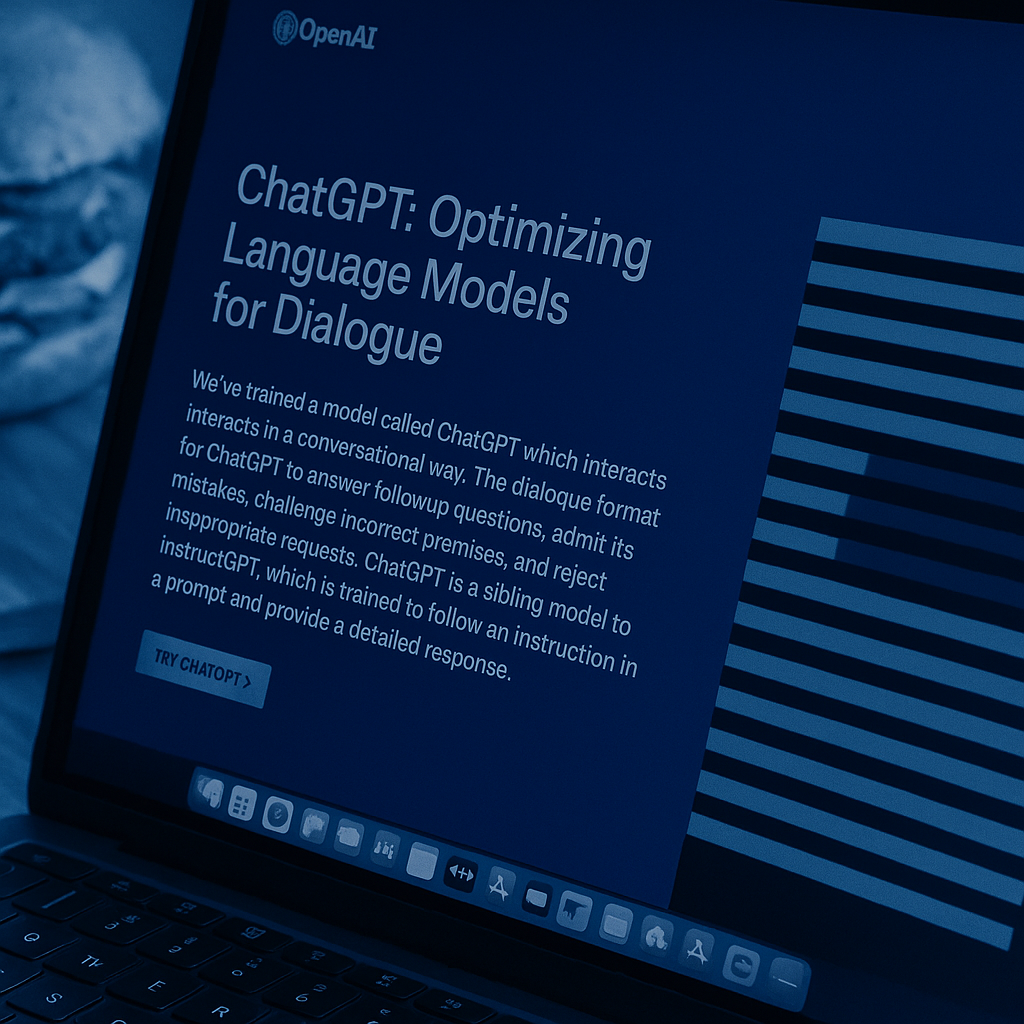
ChatGPT, made by OpenAI, is a smart tool that writes like a person. It’s useful for school. It helps with essays and makes long papers shorter. It also explains hard topics simply, so it’s great for learning. But there’s a catch—people might misuse it.
Think about a student who lets ChatGPT do all their homework. This breaks rules. Why? Because homework is for thinking and effort, not just copying AI. So, teachers and schools face a challenge. How do they spot the difference between a student’s work and what a computer writes?
Detection Methods Employed by Universities
Universities face a new challenge. They use different ways to spot AI-written work. These ways include:
1. AI Detection Software
Special software tools now exist to spot AI-written text. These tools look at how sentences are built and the style used to find out if an AI or a human wrote it. Tools like GPTZero and Originality.AI are well-known for this. They check things like how random the text is and how words are used. This helps them tell if a machine or a person wrote it. These tools show promise, but their success can change based on the text’s context and how complex it is.
2. Enhanced Plagiarism Detection Tools
Platforms like Turnitin and Grammarly now check for AI-written content. They look at big databases of school texts and online sources. They also check how the writing sounds and how sentences are built. If a student’s work seems too perfect or different from how they usually write, it might seem suspicious. But, these tools often find it hard to tell apart complex AI writing from human writing, especially if the AI text is changed a bit.
3. Educator Observation and Intuition
Teachers help spot AI use. They see changes in writing style or words that seem too advanced for the student. This method, based on personal judgment, works well with tech tools. But it’s not perfect and can cause mistakes if there’s no extra proof.
Challenges in Detecting ChatGPT-Generated Content
Universities struggle to spot AI-made content even with detection tools. Challenges include:
1. Accuracy and Reliability of Detection Tools
AI detection tools can be wrong. They sometimes say people wrote what AI did or the other way around. Short or edited text often confuses them. This makes it hard to know who really wrote something. So, we should question how much we can trust these tools, especially in important school settings.
2. Rapid Advancements in AI Technology
AI is getting better at writing like people. As AI improves, spotting it gets harder. There is always a gap because AI evolves fast. Keeping up with AI is key to spotting it well.
3. Ethical and Privacy Concerns
AI detection tools create ethical questions. Students and teachers worry if checking work for AI use breaks privacy. Also, using these tools might affect trust between students and schools. Balancing academic honesty and personal rights is tricky.
Recent Developments in AI Detection – Can Universities Detect ChatGPT
People are making tools to find out if AI made something. Schools worry about AI’s effects. Scientists checked these tools to see what works well and what doesn’t. This helps both teachers and tool makers.
Also, some detection methods are getting better. They can now spot if AI made a science summary or special content. They do this by looking at details unique to each study area.
Impact of ChatGPT on Academic Integrity Policies
ChatGPT is making schools rethink honesty in schoolwork. They need new rules for using AI tools like ChatGPT fairly. Old rules were about copying work or unfair help. Now, they include AI-created work. Schools want clear rules for AI use. More students use ChatGPT for homework, research, and test prep.
Teaching students about AI in class is one way to guide proper use. This ensures students use ChatGPT fairly. Some schools ask students to report AI use, so everyone knows. But it’s tough to enforce these rules because AI is improving fast, making it hard to spot AI-made work. So, honesty rules in schoolwork must keep evolving. They need to balance new tech with old values of hard work and originality.
Legal and Regulatory Frameworks for AI Use in Education
AI is entering classrooms, raising many questions. Rules about AI and learning are still new but becoming important. Governments and schools are trying to update rules about ideas, privacy, and grading with AI in mind. We need to decide who owns work AI helps create, how to fix AI mistakes, and if AI can check students’ work.
New rules focus on openness, getting permission, and fairness. In Europe, GDPR has strict rules on handling information, which might apply to AI tools. There are talks to ensure all schools, rich or poor, can use AI. In the future, we might see stronger rules to ensure fairness in schools.
The Future of AI and Academic Assessments
AI tools, like ChatGPT, are changing education. These tools make old testing ways, like essays or take-home exams, easy to cheat. So, teachers want new testing methods. They focus on students’ critical thinking, problem-solving, and creativity. These are skills AI struggles with.
New test ideas include spoken exams, problem-solving tasks, and group projects. These are harder for AI to cheat. Learning systems are improving too. They might create tests just for each student, based on what they know and do well. The future of school testing could use AI for help. But we need new ways to check if students really understand their learning and see their effort.
Understanding the Technical Limitations of AI Detection Tools
Schools use tools to find robot writings like ChatGPT. But these tools can be wrong. They might say a person’s writing is from a robot. They might miss a robot’s writing that seems human. Short or changed writings are hard to spot. As robots get better, this gets harder. So, we need new ways to fix this. Technology, teachers, and students must work together.
Human-AI Collaboration in Academic Settings
Some people feel AI might hurt honesty in school, but many teachers think having humans and AI work together can help learning. AI helpmates like ChatGPT can be very handy. They can tell students instantly how they’re doing, help them think of new ideas, and make hard subjects easier to understand. AI can be extra useful in a classroom where each student gets help based on their own skills and needs.
Teachers can use AI to make their work easier, such as marking homework automatically or coming up with extra lessons. But, for AI to help well, there need to be clear rules. This is so that the use of AI adds to, not takes away from, a student thinking for themselves and putting in their own effort. If a school makes an environment where AI is a friend, not an enemy, it can help both the students and the teachers.
The Road Ahead
As AI improves, we ask – can colleges spot ChatGPT use? Some tools help, but aren’t perfect. A mix of tech, skilled teachers, and clear rules works best.
Bringing AI to schools is tricky and exciting. By using AI responsibly and improving detection, colleges can stay current and ensure honesty in schoolwork.
FAQ: Can Universities Detect ChatGPT?
How do universities identify content generated by ChatGPT?
Schools use many ways to spot AI-written text. They have special software like GPTZero and Originality.AI to check for AI-style writing. Tools like Turnitin now also look for AI content. Teachers watch for big changes in a student’s writing or language that seems too perfect. But these methods aren’t perfect. It’s hard to catch edited or short AI texts.
Are there legal or ethical concerns with using AI detection tools in universities?
AI detection tools, when used, bring up legal and ethical concerns. Legally, these tools might have to follow privacy laws like GDPR in Europe, which control data use. Ethically, there are worries from students and teachers about these tools possibly violating student rights or creating distrust. It’s tough for schools to balance keeping academic honesty with being fair and private. Schools need to explain how they use these tools and make sure they meet ethical rules and stay open about their use.
Can AI tools like ChatGPT be used ethically in academic settings?
Sure! AI tools like ChatGPT can help learning if used wisely. They help students come up with ideas, make tough stuff simple, and understand hard topics better. Being honest about using AI is key. It should add to, not replace, your own thinking and work. Many schools now teach how to use AI tools smartly while keeping honesty in learning.