
Even saying “Turnitin” can scare most students. Could Undetectable AI ease their worries?
As a student, I have mixed feelings about Turnitin. It’s been around so long that it’s part of education now. Ask any student, and they’ll have at least one horror story about it.
So, when they said they’d start checking for AI, I already had doubts. And it seems I was right.
There are many tales of students wrongly flagged for using AI by Turnitin. Because of this, some students look for other AI tools to avoid getting wrongly accused. One such tool is Undetectable AI.
But the question is: how well can Undetectable AI work against Turnitin? Let’s explore that in this article.
What Are Turnitin and Undetectable AI?
Turnitin has become a go-to tool for schools to stop students from copying. Since its start in 1998, it has been a key resource for teachers to catch plagiarism by checking students’ work against online content, scholarly articles, and past student papers.
With the rise of ChatGPT and similar tools, Turnitin added a new feature: AI detection. This feature uses advanced methods to see if a student’s work is generated by a machine or if it is genuinely written by them.
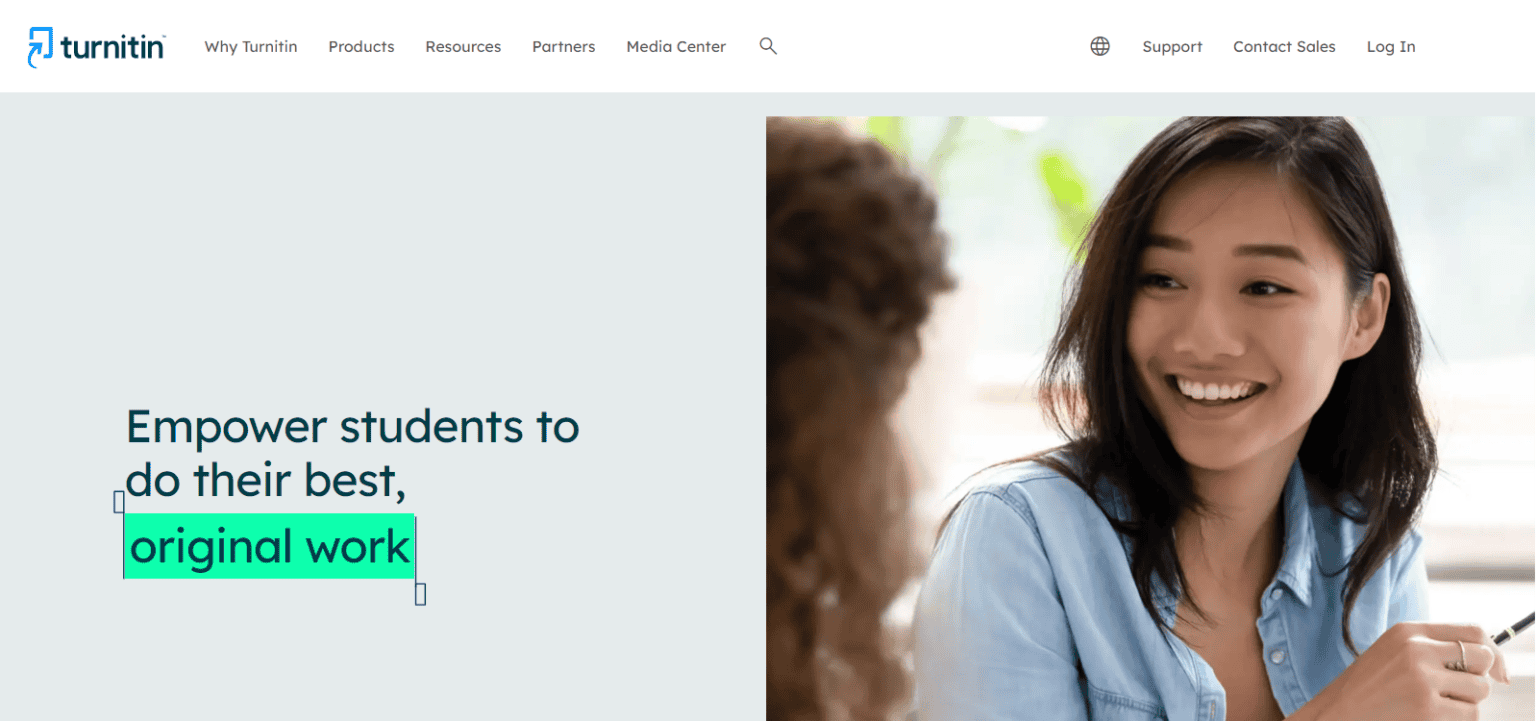
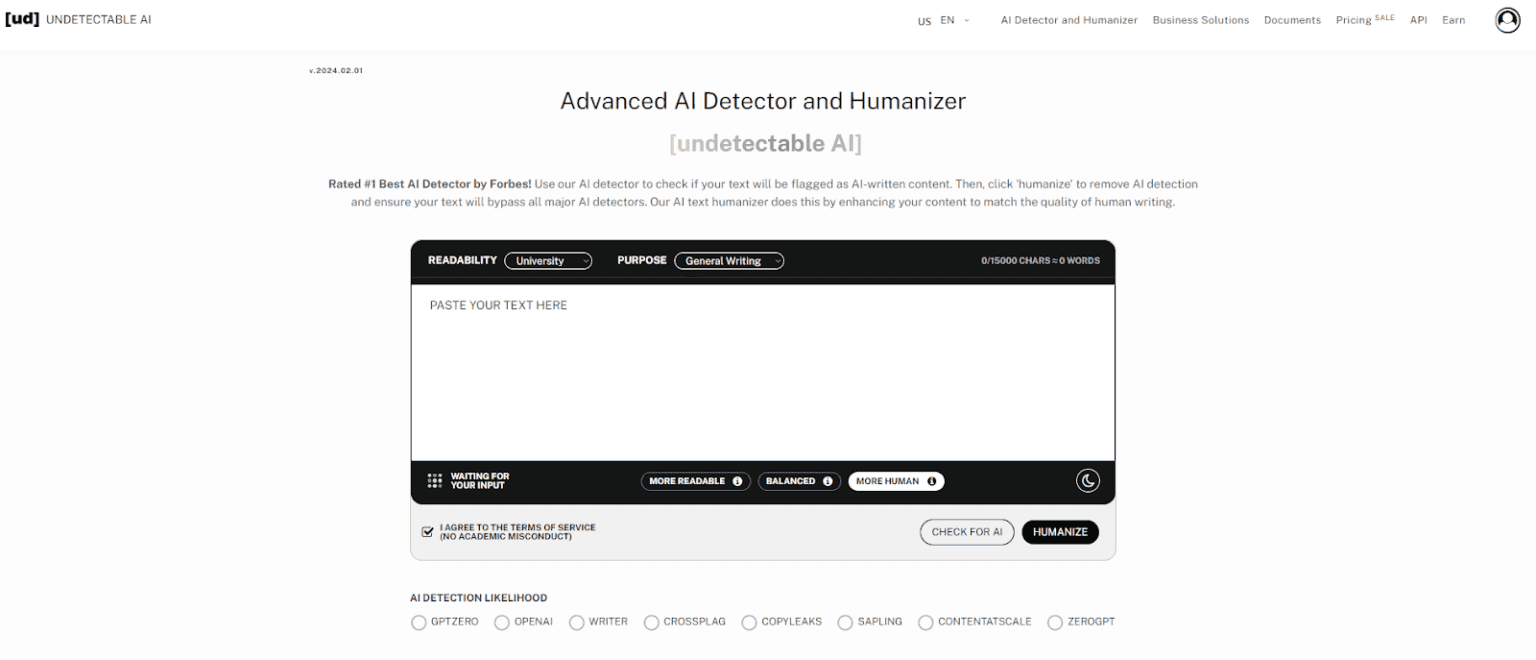
Undetectable AI is designed to make text appear more human-like, helping it slip past AI detectors. It achieves this by reordering sentences, eliminating typical AI patterns, and inserting minor human-like mistakes. Interestingly, Undetectable AI advises students against using their tech for dishonest purposes.
The Secret Truth About Turnitin
Before diving into the main question, let’s set the scene.
Many students, including those who avoid AI, find Turnitin frustrating in classrooms because of false positives. The issue isn’t with the idea itself but with how it’s applied. Some teachers rely solely on AI detector results, unfairly assessing a student’s work, despite many studies showing that these tools aren’t very reliable right now.
This isn’t just a hypothetical problem. It’s already happened. William Quarterman from UC Davis received a failing grade due to a false positive AI result from Turnitin. It took weeks to clear his name, and by then, he was overwhelmed with stress from something he hadn’t done.
That’s why students need something like Undetectable AI, even if they’re not cheating. It can be a lifesaver if more universities start treating AI detection as infallible.
Can Undetectable AI Bypass Turnitin Detection?
Regrettably, we can’t test Turnitin’s AI detector ourselves like in our earlier “Undetectable AI vs…” pieces. So, we rely on people’s views for this topic.
A recent Reddit post from the ChatGPT community suggests that, yes, Undetectable AI might slip past Turnitindetection. However, there’s still some inconsistency, as it can’t always evade detection, even with Turnitin.
If you’re concerned about being flagged, I recommend using other AI detectors if Turnitin isn’t available to you. From our latest tests, I recommend Winston or Sapling if you’re budget-conscious. You might also explore our other articles comparing Undetectable AI with detectors like Originality.
Some Considerations When Using Undetectable vs. Turnitin
Alright, so you’re dealing with Turnitin. If you’re using Undetectable AI for your homework, here’s a handy tip: read over what it gives you again.
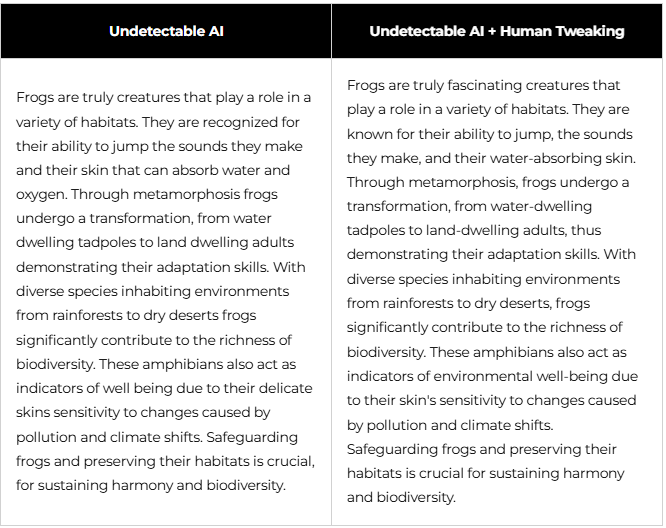
A small thing that bothers me about Undetectable AI is how it adds mistakes on purpose to make the text seem more human. For instance, there’s a version of an essay made by ChatGPT and then changed by Undetectable AI.
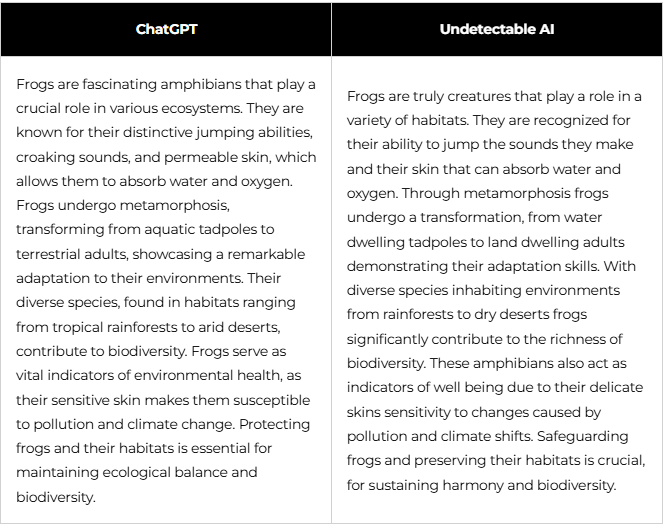
Notice how it’s missing punctuation, using wrong words, and feels boring? That’s the Undetectable AI effect. The truth is, making grammar errors helps beat AI detection, and Undetectable AI knows it.
But here’s the problem: teachers really read your essays. Undetectable AI might slip past Turnitin, but getting an A+ won’t happen. With this writing, you’d be lucky with a C-. So, what’s your move?
How To Use Undetectable AI Properly
Once you have your output from an undetectable AI, you just need to do two more things to ensure you bypass AI detectors and succeed in your class. Here’s what to do:
#1: Further Tweaking
You should definitely correct the grammar mistakes. But, be careful because fixing them might make it seem like AI wrote it. Watch out for typical AI signs and make sure to take them out.
- Recurrence
- Providing an excessive number of examples
- Illusion
- Excessive use of transition words
- Here are some simpler words: “explore,” “use,” and “transform.”
For instance, here is how the adjusted text appears from the example I mentioned earlier.
#2: Use The Human Typer Extension
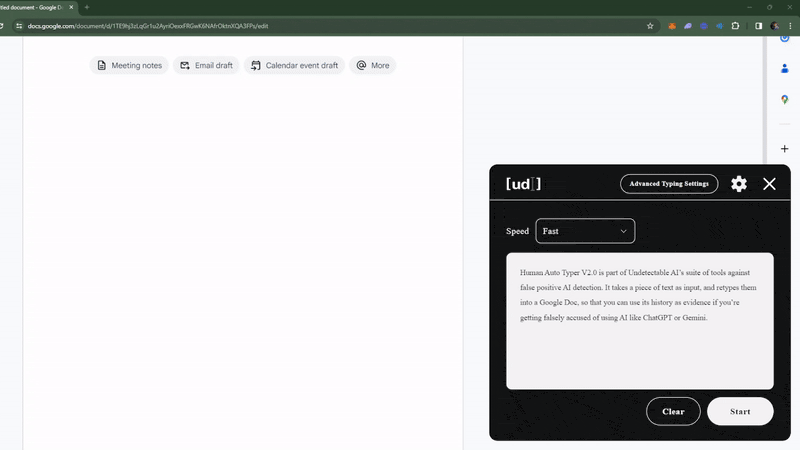
If you’re wrongly accused of using AI, you’ll need proof to show you wrote the work. A simple way is by using Google Docs’ history, which can display how your essay developed over time.
If re-typing everything isn’t an option, you could try the Human Typer Chrome extension by Undetectable AI. This tool allows you to input text, and it mimics human typing (mistakes and corrections included) in a Google Doc. Check out our comprehensive review for more details.
The Bottom Line
ChatGPT, Gemini, Claude — these technologies are game-changers, and I often support their use in education. However, I acknowledge they’re sometimes misused in classrooms.
Turnitin’s AI detection aims to stop AI misuse in education, yet it’s not reliable enough to be essential in classrooms. Still, teachers use it due to limited options. Consequently, some students use Undetectable AI to pass classes, while others misuse it to cheat through school.
And the cycle goes on.
To answer the question, yes, Undetectable AI often evades Turnitin detection. The only way to end this cycle of mistrust in education is through our actions. So, even though Undetectable AI and other tools can be effective, I strongly urge responsible AI use.
If you want to know more about AI’s role in education, check out what teachers say about LLMs in this article. Enjoy reading!