
Yes, Turnitin can spot translated text. With tools like Google Translate and AI services like ChatGPT getting popular, it’s important to know if Turnitin catches translated work. This piece looks at how Turnitin handles translated content, how well it works, and the issues users face when using translations in school or work. Also, we talk about how Bypassengine provides a smart and ethical way to deal with Turnitin’s AI detection features.
Turnitin’s Translation Detection Capabilities
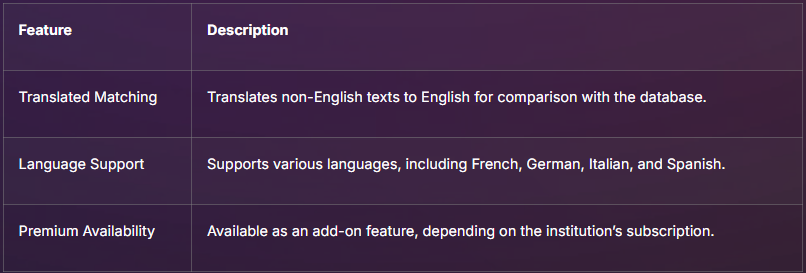
Turnitin has a new tool called “Translated Matching.” This tool checks for plagiarism in different languages. It translates texts into English, then compares them with Turnitin’s database. But, this tool is not free. Schools must buy it to use it.
Table 1: Key Features of Turnitin’s Translation Detection
Effectiveness of Turnitin’s Translation Detection
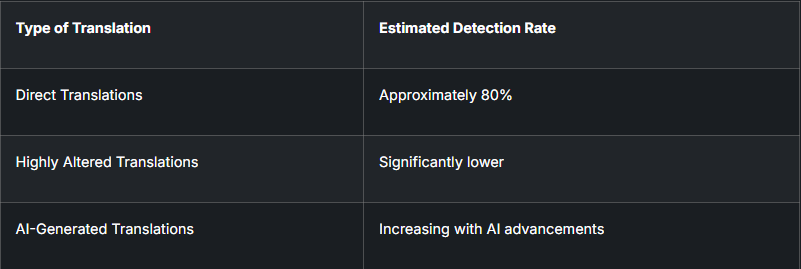
Turnitin’s tool for catching translations works, but it’s not perfect. If a student translates by hand instead of using Google Translate, it might be harder to catch. This is because people often change the wording a bit when they translate by hand. But if the new text is very close to the old one, it might still get caught.
Complexity of Human Translations
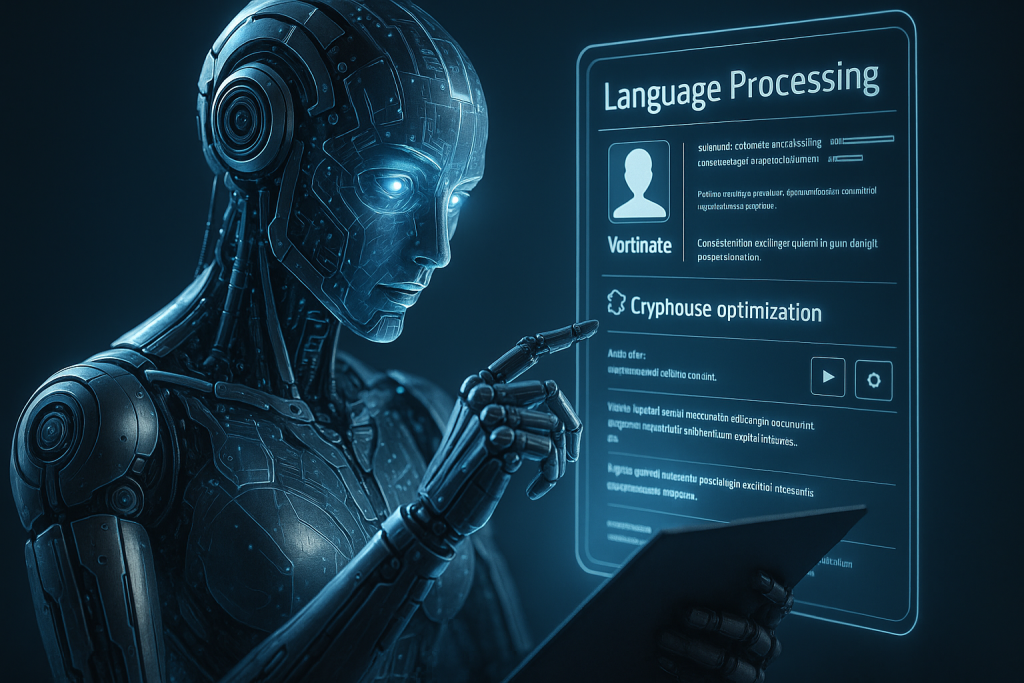
Detecting translated texts can be tricky. Human translators add small tweaks, like cultural details and local sayings. These changes make the text differ from the original. This makes it hard for software like Turnitin to spot these as copied. Also, how well the translator knows both languages can hide direct matches, making detection less likely.
Table 2: Turnitin Detection Rates for Different Types of Translations
AI Tools and Translation
AI tools, like ChatGPT, make catching plagiarism trickier. Turnitin might not spot AI content directly, but it can sometimes mark text as AI-made. Some schools see this as plagiarism. AI translations can also stand out because they’re too smooth or consistent, which might seem suspicious, even if they aren’t flagged.
Impact of Machine Translation on Plagiarism Detection
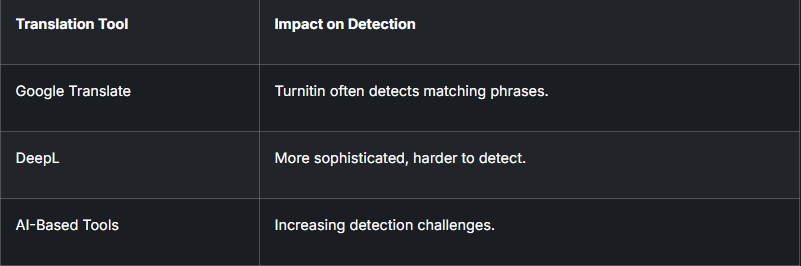
Machine translation tools, such as Google Translate or DeepL, make it harder to spot plagiarism. Turnitin keeps getting better at this, but texts from these tools are tricky. Still, Turnitin’s algorithms are learning to spot signs of machine translation use.

Risks of Using AI Translation Tools
AI translation tools can help but have risks. They might make mistakes or sound odd if not checked. Also, even if the content is new, plagiarism tools might flag it.
Table 3: Impact of Machine Translation on Plagiarism Detection
Citing Translated Texts
Proper citation is key, even if you translate content. Teachers usually say if a paragraph is long, you should cite it to avoid plagiarism. Depending on the style, like MLA or APA, one citation at the end might be enough. Always check your school’s rules.
Self-Plagiarism and Translated Work
Translating your own past work can lead to self-plagiarism issues. If you translate something you’ve already submitted or published in another language, make sure you have permission. It should meet your institution’s rules for originality. Even if it’s your work, reusing it without proper credit or permission might still count as plagiarism.
How to Avoid Turnitin When Using Translation Tools
To avoid detection when using translation tools, it’s important to:
- Cite Sources Correctly: Correctly citing sources is crucial for acknowledging the origins of ideas.
- Paraphrase with Care: Significantly altering both the vocabulary and the structure of sentences is important.
- Use Multiple Sources: Combining concepts from multiple sources can be beneficial.
- Review Work for Errors: Make sure that grammar and writing style remain uniform throughout.
- Combine Old and New Ideas: This method aids in producing original content.
The Role of AI in Turnitin’s Plagiarism Detection
Turnitin uses AI to boost its plagiarism checks. Even if words get mixed up or translated, it spots writing styles and patterns to highlight original work. Dodging Turnitin’s AI is tough and risky. Teachers often notice big shifts in writing style or errors. Bypassengine helps create honest content, keeping it original without setting off AI alarms.
Can Turnitin Detect Translated Text? – FAQ
Can Turnitin detect texts that have been translated from other languages into English?
Yes, Turnitin can detect translated texts through its Translated Matching feature, which translates non-English texts into English and compares them against its extensive database. However, this feature’s effectiveness can vary depending on the quality of the translation and the languages involved.
How does Turnitin handle human-translated texts?
Human-translated texts can be more challenging for Turnitin to detect because they often include rephrasing, localization, and cultural adaptations that make the text less likely to match directly with existing sources. However, if the translated content closely mirrors the original in structure or wording, Turnitin may still flag it.
Is it considered plagiarism to use Google Translate for academic work?
Using Google Translate itself is not plagiarism, but directly copying and pasting the translated text without proper citation can be considered plagiarism. It’s essential to paraphrase the translated content, cite the original source, and ensure the text is not a direct match with existing content in Turnitin’s database.
Can Turnitin detect translations from English into other languages?
Turnitin is primarily designed to detect translations into English, and its ability to detect translations from English into other languages is limited. This limitation means that content translated from English into less commonly used languages might evade detection when submitted in that language.
How effective is Turnitin in detecting AI-generated translations?
Turnitin’s effectiveness in detecting AI-generated translations is evolving. While the software can sometimes flag AI-generated content as potentially non-original, particularly if the text appears overly polished or uniform, it may not always catch sophisticated AI translations. The best approach is to manually review and revise AI-generated content to ensure it meets originality standards.
What are the best practices to avoid plagiarism when translating texts?
To avoid plagiarism when translating, always paraphrase the content in your own words, cite the original source, and ensure that the translation is not a direct copy of the original text. Reviewing the translation manually and using multiple sources can also help maintain originality.
What should I do if Turnitin flags my translated content as plagiarized?
If Turnitin flags your translated content, review the similarity report to identify the flagged sections. You may need to paraphrase those sections more effectively or provide proper citations. If the content is flagged due to close adherence to the original structure or wording, consider rewriting those parts to better reflect your understanding.
Does Turnitin work well with texts translated by AI tools like ChatGPT?
Turnitin may detect AI-generated translations if the content matches existing sources in its database or if it exhibits characteristics typical of AI-generated text. However, AI tools like ChatGPT can produce content that is difficult to detect due to its human-like quality. It’s important to manually revise AI-generated translations to ensure they do not inadvertently commit plagiarism.