
The short answer to whether Claude AI can “bypass” Turnitin is: unreliable, and there are real risks in trying to do so. Let’s break things down in plain language because it’s a hot topic and there’s a lot of confusion out there.
First, Turnitin’s AI detection doesn’t just check for copy and paste plagiarism. Writing style, sentence patterns and the way words are put together are also analyzed. It basically looks at things like unusually formal wording, repetition, and whether the text follows patterns that are typically produced by machines—things that stand out in the way most people write.
Claude (like similar tools) is trained to sound as natural as possible, but at the end of the day it generates things en masse using templates and rules. Sometimes that “AI flavor” is hard to completely remove, even if you try to rewrite or rephrase. That’s why relying on Claude alone to detect is not reliable – software is getting smarter and more sensitive to those patterns.
People will ask, “Okay, but if I transcribe what Claude spews and mix in my voice, can I avoid being flagged? You might reduce your chances, but nothing is guaranteed. Even changing the words and structure may not be enough, and if your school takes academic integrity seriously, getting caught could mean failing an assignment, failing an academic test, or worse.”
The New Academic Landscape: From Plagiarism to Authorship
These days, when people talk about Turnitin, it’s not the same tool that students used in the early 2010s. Of course, back then it just checked to see if you copied parts of someone else’s work, compared your writing to billions of sources, and highlighted anything fishy – pretty simple.
Now, after 2023, Turnitin has added another layer. It’s no longer just sniffing out copied paragraphs. Their new system tries to understand whether something is written by a person or created by an AI like ChatGPT. Traditional copy and paste tricks don’t fool him very much because the AI text is completely new – it doesn’t match what’s already there.
So how is it done? Instead of just matching phrases, the software checks for sentence formation, word choice and rhythm. AI’s writing has certain patterns – sometimes it’s a little too neat, too even, or uses rare word combinations in a way that humans don’t. The detector takes it all in, looking for signs of text that was likely created by a robot rather than a student pulling an all-nighter. It’s more about noticing the “feel” of a person’s writing in the flow of sentences, rather than just hunting for torn lines.
How Claude AI Constructs Text
If we’re trying to figure out if Claude can bypass detection systems like Turnitin, it’s worth taking a look at how Anthropic built the model. Claude, especially in the newer Opus and Sonnet versions, uses “constitutional AI”. It’s basically a way to train the model to stay useful and not say or do anything inappropriate.
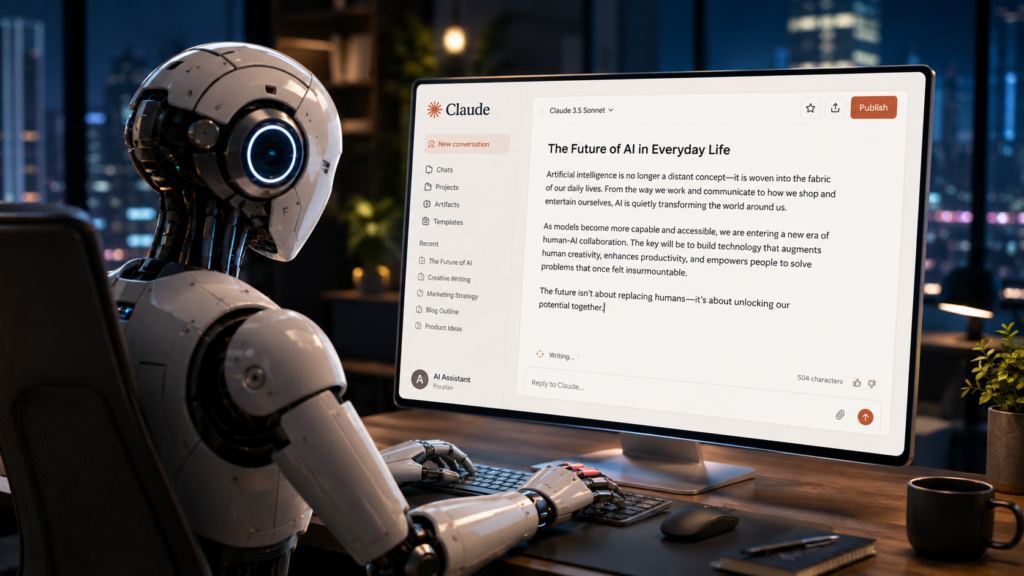
During this training, Claude sounds fluent, understands what’s going on, and can write in a way that feels like a real person – at least more so than previous models like the GPT-3.5. Claude tends to mix up sentence patterns, avoids obvious verbal patterns, and can even take on different shades if you direct him a certain way.
This more natural sound is one of the reasons why some people think Claude can slip past Turnitin. The thinking is, if Turnitin indicates a stiff, machine-like pattern and Claude sounds less robotic, perhaps he’s flying under the radar. But the truth is not so simple.
Spotting computer writing isn’t just about stiff, repetitive sentences or a simple, mechanical tone. These tools often check for strange text patterns, unusual word choices, and even odd punctuation, things that can appear even in models trained to feel more “human.” And no matter how “real” a system is, it still sometimes stumbles in ways that betray its machine roots—like weird phrasing or a style that oscillates too much between formal and casual.
The Mechanics of Turnitin’s AI Detection
The Turnitin software doesn’t just flag you for using phrases like “surf” or “woven tapestry,” even though that might sound suspicious. The system actually runs your words through a lot of math, looking for unusually predictable patterns.
Simply put, humans don’t write like robots. We lose our minds, we use strange expressions, we switch gears when we speak, and our grammar is not always perfect. But large language models are essentially playing a giant guessing game: “What’s the next likely word to put in here? Even when they’re ‘trying to be creative,’ AI tends to sail toward the average or most common word choice.”

Turnitin doesn’t need to understand your arguments or tricks; it checks every part of your paper against these patterns. If your writing seems strangely fluid (if you always choose the most obvious word, over and over again), that’s what gets noticed. There are quirks and chaos in the sentences of real people. When this is missing, the detector is suspicious. What he finds is not the AI itself, but a boring, repetitive rhythm that people rarely use casually.
The “Humanization” Trap
There is now an entire cottage industry dedicated to beating Turnitin and similar programs. Just Google “how to bypass Turnitin” and you’ll find countless apps and websites that swear they can “humanize” AI-generated work. These so-called humanizers promise to change your text enough to defeat the software, making your writing less likely to be flagged.
But here’s what actually happens if you use these tools: they completely destroy it. To trick the program, these tools clutter your writing with deliberate grammar mistakes, awkward sentence structure, and odd word changes. Suddenly, a common phrase turns into a jumbled mess—something like “use” turns into “use mechanisms,” and simple sentences turn into jumbled word salads. Sure, your AI score may drop from a perfect match to a lower percentage, but your work looks like a malfunctioning robot rather than a real human.
When you put Claude’s (or any AI’s) writing through those cheap humanizers, you lose all the clarity and luster that makes it readable in the first place. What you end up with is clunky, garbled text that’s clearly messed up by an algorithm rather than a real writer. Submitting something like this is a surefire way to fail the assignment. It’s actually more obvious to your teacher or professor than just sending raw AI output. In short, these measures do not solve the problem – they only make it more embarrassing.
Critical Factors That Make Detection Likely
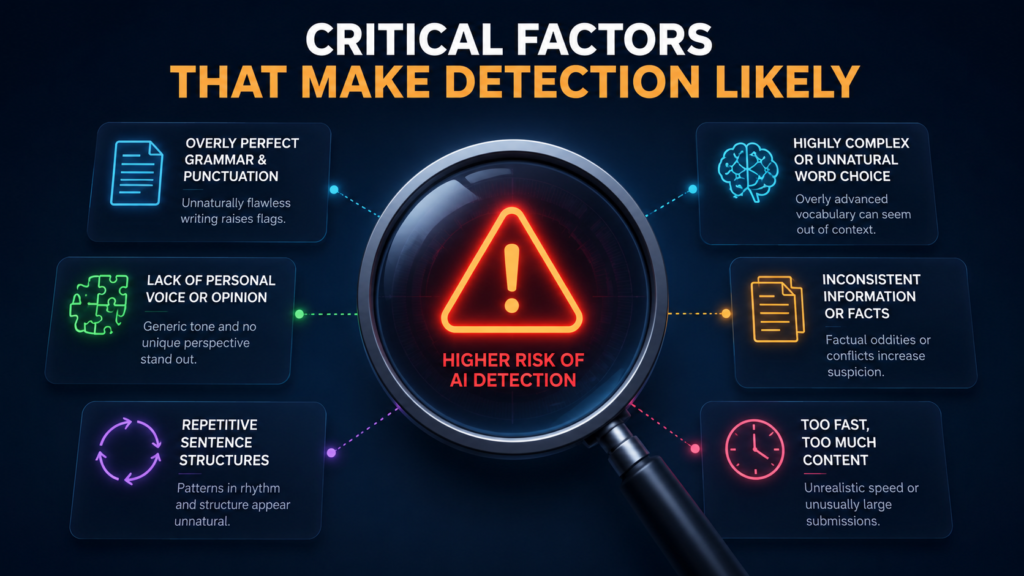
While Claude’s writing may seem pretty similar to what you’d expect from a real person, there are some invisible narratives that can be flagged during AI detection. Here are some things that mess with wires:
- Signal “Too smooth”
Many people do not write with perfect rhythm. Our sentences jump around – one line can be long with extra commas, and another extremely short. People chip away at fragments or let their thoughts wither away. In contrast, when Claude writes, he tends to stick to medium-length sentences, keeping things flat without much variation. This balance seems odd to some checkers. If the essay never drops below 15 words in a sentence or goes on for more than 30, that’s a big red flag that it might not be human. - Predictability
Another thing the algorithms look for is how surprising the word choices are. People, even experienced writers, throw in unexpected words or phrases that sometimes make paragraphs seem shocking or unusual. AI tends to settle for the safest bet – the next most logical or obvious word. That smooth and intelligent flow actually reduces the “surprise” score, which isn’t really how people string sentences together, especially when under pressure or jumping between random ideas. - Fake Quotes
It’s a gift. Imagine a research paper with a neat, organized list of sources, but it turns out that some of them are not authentic. Claude can make up names, magazines, or even fake volume numbers that don’t actually exist. Plagiarism scanners, especially something like Turnitin, won’t just look to see if it’s created by artificial intelligence. They will also check references. Catching even a few “ghost” sources is enough to make the whole submission look suspicious. So even if the essay slips past normal AI detection, the fictional quotes immediately overshadow the cover.
The Academic Integrity and Ethical Reality
Let’s get this straight: using something like Claude or any famous AI tool to write a paper isn’t really a “hack” or a “shortcut”. If you write that you didn’t actually do it, that’s cheating, plain and simple – most schools are pretty clear at this point. They rewrote the rules so that there is no gray area in work written by AI.
Even if Turnitin or any software doesn’t mark your paper for AI, you’re not in the clear. Teachers know what student writing looks and feels like. They see a pattern: unclear arguments, awkward transitions, sentences that sound dumb or, frankly, just plain empty. There is a fragility to it—a kind of lifelessness, even if all the grammar holds true.
Also, working under the radar doesn’t really help if you’re always worried about getting caught. Sure, you can save a few hours up front, but what’s the point if you’re losing sleep, sweating through every task, and always looking over your shoulder? And if you do find out, the consequences are harsh—failing grades, academic warnings, or even expulsion.
Conclusion
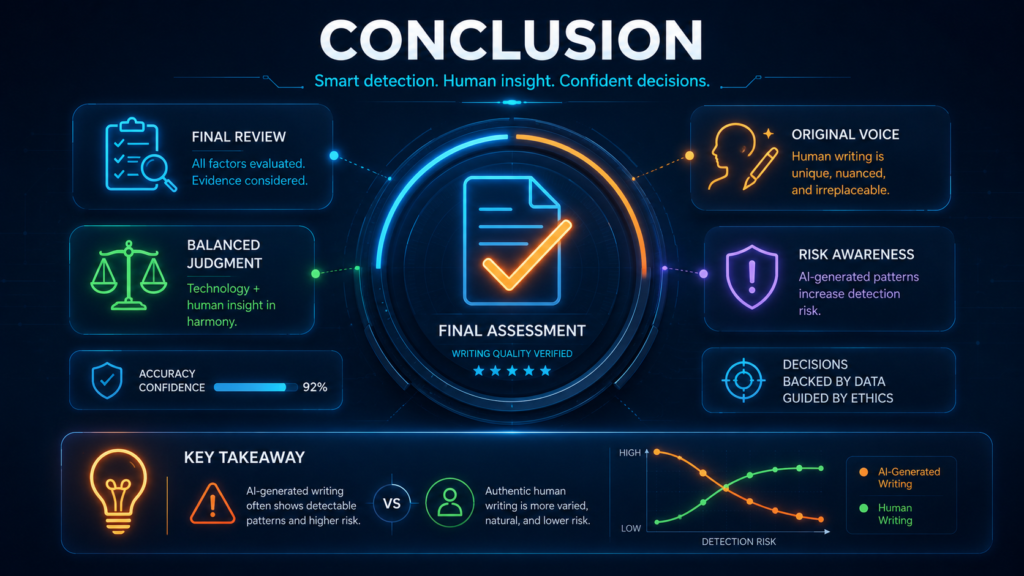
Trying to find a way for Claude AI – or any similar tool – to defeat Turnitin is really missing the bigger picture. When you use these programs to generate documents, the style and structure often leave clues that Turnitin and similar checkers are designed to notice. As technology advances, the people who make the detection tools are constantly refining them, so it becomes a never-ending back-and-forth that you probably won’t win.
Also, most teachers today are pretty good at telling when something has been written by a robot. This is usually pretty obvious when the writing is flat or the examples don’t quite make sense. Fake citations are another quick way to get caught, they stand out immediately and most professors will spot them on the spot.
Rather than trying to outsmart the software, the smartest move is to use Claude as you would a study buddy: bounce ideas around, help with an outline, or get quick feedback. But make sure the end result is really up to you – use your own words, your own perspective, your own examples. Not only does it keep you out of trouble, but it also helps you learn, which is the main reason you’re in school in the first place. An honest approach never compromises your grades or reputation, and ultimately makes you a stronger writer.