
Why Job Seekers Turn to AI
Picture staring at a blank screen, unsure how to impress a recruiter. It’s hard. Now, think of an AI helper that, in seconds, writes a clean and fitted job application. That’s the draw. Today’s job seekers use AI not because they’re lazy, but because they need to. The job market is tough, and every resume and cover letter must be custom-made. AI helps lighten the load. From making a strong personal statement to shaping content for specific jobs, AI gives precision and speed. ChatGPT, for example, can read a job description and create a fitting cover letter with key terms, experience points, and even a story flow. It’s clear why more people use AI as their career helper. But here’s the twist: using AI doesn’t mean you’re lazy. Often, it’s just the start. People refine, adjust, and add personal touches to AI-made content to make it theirs. Yet, the big question stays: Can AI detectors spot AI here? As you’ll see, it’s not just yes or no.
How AI Tools Streamline Resume Writing
Crafting a resume is like making a personal brand flyer. Each word matters. AI tools get this and are great at refining resumes. Tools like Resume.io and Jobscan do more than fix grammar. They compare your resume to job ads, spot missing skills, suggest stronger words, and ensure keywords are right. AI checks job details, finds key skills, and gives tips to make your resume pop. This helps if you’re changing fields or have job gaps. AI shows off skills you can transfer and hides weak spots. In fast hiring processes, this speed is gold. But use these tools smartly. Relying too much on AI can make your resume sound robotic, which can be a red flag. Recruiters spot generic language, and AI detectors find patterns that look machine-made. So, the big question is, can AI detectors spot AI, even after humans tweak it? Spoiler: often, yes.
What Are AI Detectors and How Do They Work?
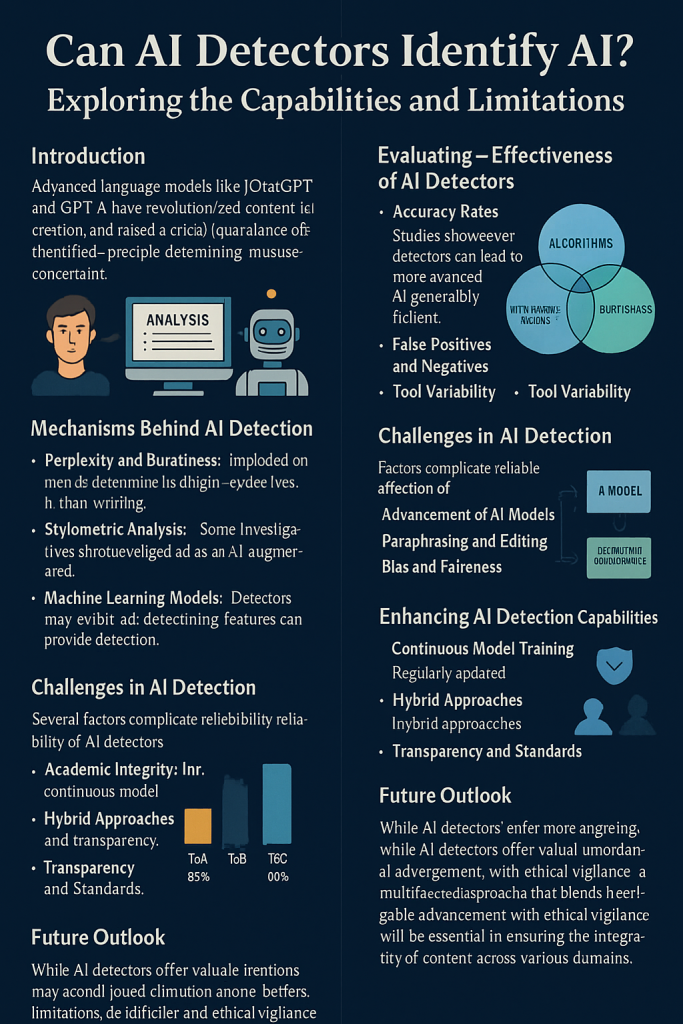
AI detection tools work like lie detectors for writing. They check for patterns, syntax, phrasing, and rhythm that often show machine writing. Their goal? To see if a human or a machine wrote something. These tools use big language models trained on human and AI data. When you give them text, they compare it to their database and give a “probability” score of AI authorship. A higher score means AI likely wrote it. They look for things like repeated phrases, simple sentence structures, too many transition words, predictable words, and sentence length. They’re getting better fast. In 2023, some tools were not very accurate. In 2025, many companies use advanced detectors that find even small edits in AI writing. This is a worry for job seekers: if an AI-edited resume is flagged, could you lose a chance before a person reads it?
Popular AI Detection Tools in 2025
AI detection tools like BypassEngine, Originality.ai, and GPTZero are popular. Employers, schools, and publishers use them to spot AI-made content. BypassEngine is known for its strong detection and rewriting skills. It’s used by recruiters to check if job applications are real. GPTZero started as a tool to find AI-written essays but now also checks resumes and work documents. These tools analyze and flag content that seems AI-made. Some even suggest changes to help pass detection. It’s a tech race—AI improves, and so do detectors. Can they spot AI in a cover letter tweaked by a person? Often, yes. As companies use these tools more, job seekers must learn how they work to stay ahead.
Can AI Detectors Identify AI in Real-World Scenarios?
Our Experiment: Using ChatGPT and Bypass Engine
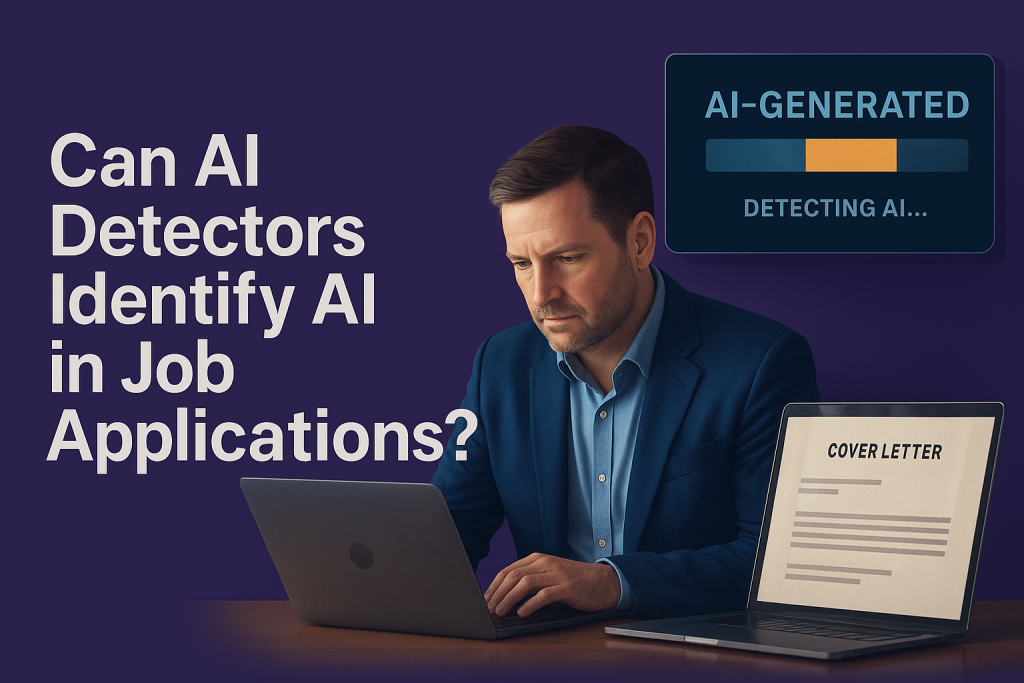
We checked if AI detection tools work well. First, we had ChatGPT write a cover letter for a job on LinkedIn. We asked it to show excitement, local presence, and fitting experience. We said: “I’m interested in this role. Please write a cover letter that shows I’m nearby, ready to start, and have needed experience.” The cover letter was smooth, well-done, and fit the job needs. It seemed almost too perfect. We tested it with BypassEngine. In seconds, the tool marked it as AI-made with high confidence. Even though it seemed human, the patterns and structure revealed its AI origin. What does this mean for job seekers using AI? AI detectors can spot AI use, even when it’s subtle. This doesn’t mean automatic rejection, but it shows the need to add a human touch to AI work.
The Ethical Dilemma: Should You Use AI in Job Applications?
What Employers Think
AI tools make things easy, but not all employers like them for hiring. Some companies think using AI shows you’re good with tech. Others think it hides who you are. There’s no set rule. Different fields have different views. Tech jobs might like AI use, but creative jobs want to see the real you. The main concern is being real. Recruiters want to know you, not just your AI skills. If AI tools spot AI in your application, it could be a problem. It might show your application lacks personal touch or true excitement.
Drawing the Line Between Help and Dishonesty
Using AI for grammar fixes, idea generation, or resume structuring isn’t wrong. Many hiring managers expect digital help. But, there’s a difference between improving your content and letting a bot do everything. Applications that seem too robotic or perfect usually don’t work well. Recruiters know what real passion sounds like. They can tell if someone put effort into their application or let AI do it. So, if you use tools like ChatGPT or Jasper, see them as partners, not ghostwriters. Check every sentence. Add your personality. Mention details about the company or job that only a real person would know. Can AI detectors find AI? Often, yes. But more importantly, people notice when something lacks feeling. And that’s the real issue—not detection, but disconnection.
FAQs
Q1: Can AI detectors identify all AI-generated content?
A1: The success depends on the tool and the AI’s skill.
Q2: Are AI detectors biased?
A2: Some studies say some detectors might be biased, especially against people who don’t speak English as their first language.
Q3: Can paraphrasing help bypass AI detectors?
A3: Sure, changing how you say something can help avoid being noticed.
Q4: Are AI detectors used in recruitment?
A4: Yes, some groups use AI tools to check if application materials are real.
Q5: What is the future of AI detection?
A5: Keep getting better and working with other tech helps find things faster and better.